We Could Be Antiheroes: Take Dump 10/28/26
Well, it was a nice twenty years of hating on Guillermo Del Toro movies. Not the man himself, mind you. Especially once I got into It’s Always Sunny In Philadelphia, and realized he plays Pappy McPoyle. That alone makes him a hero. But I was disappointed by Pan’s Labyrinth in 2006 - far more a generic, Spielbergian “life during wartime” tale than the ad campaign implied, with nearly all the movie’s magical imagery in the trailer. Every film of Del Toro’s I saw after also had a similar Euro-Spielberg banality. Sure, a gothic horror sounds delicious, but I’m not going to pretend the CGI delivers it in Crimson Peak. Hellboy started cool, but turned into generic action noise. Blade II was merely more European than Blade, not better. Mimic…well, he wasn’t afraid to kill the cute kids, true. Stray bits of Pacific Rim on HBO frequently inspired squinting to make sense of, and I didn’t bother to see the fish-fucking movie that got him an Oscar, let alone his recent Netflix IP revivals. I get why Tumblr millennials adore an auteur showing the tender emotions underneath whatever compels someone to imagine Ryan Gosling as a centaur kissing SpongeBob or whatever, but it ain’t my kink. I still haven’t seen Cronos or The Devil’s Backbone, though. I liked some episodes of Cabinet Of Curiosities, particularly Panos Cosmatos’.
The Oscar tribute can be classy, but if Del Toro passes away...this better be in the Emmys memoriam.
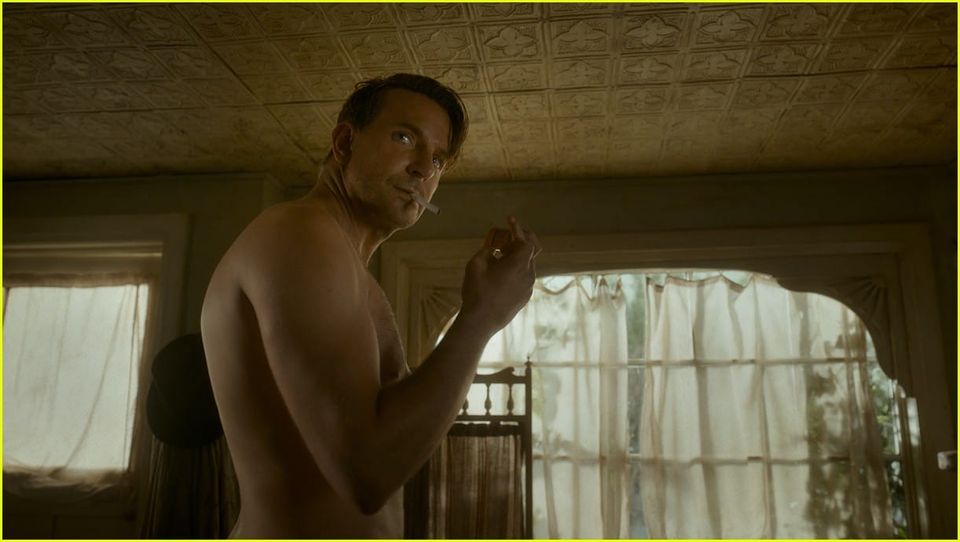
And, dang it, I liked Nightmare Alley. I haven’t read the book or watched the 1947 movie, so it’s possible much of my delight stems from the material itself. Bradley Cooper plays Stan Carlisle, a haunted fugitive who gets a second chance at life through the inviting community of a carnival, only he’s unable to resist the urge to control those who threaten him, and exploit those who love him. It’s a perfect role for Cooper, whose vague air of smarmy detachment fits perfectly with Carlisle’s self-delusion. The supporting cast is largely overqualified, but lets him bounce off strong personalities forced to make their own moral compromises, from Willem DaFoe’s agreeable description of how to turn a drunk into a chicken-killing geek, to Toni Colette’s tarot reader, trying to keep her pity for David Strathairn’s shattered magician from turning into contempt. Then Cate Blanchett arrives as a femme fatale therapist, Carlisle entranced by someone as dangerously guarded as he is.
The script hints at “hurt people hurt people” truisms to a degree that I’m curious how much the intimations appear in the original text. But, thanks partly to the nature of the characters’ careers and cons, it doesn’t feel forced or wholly ahistorical. We didn’t invent the idea of paying trauma forward, and the degree to which characters grasp Carlisle’s ish matches their backgrounds, be it cultured or merely canny. Alley's “classic movie” look is unique without being self-enraptured. There's always something to look at, but never at the story's expense. I wonder if this was a detriment for some Del Toro fans, who want to join him in a noble fantasy of what a great modern movie should be, rather than moral grayness and character study. I’m almost disappointed he had it in him, too. FIVE BAGS OF POPCORN.
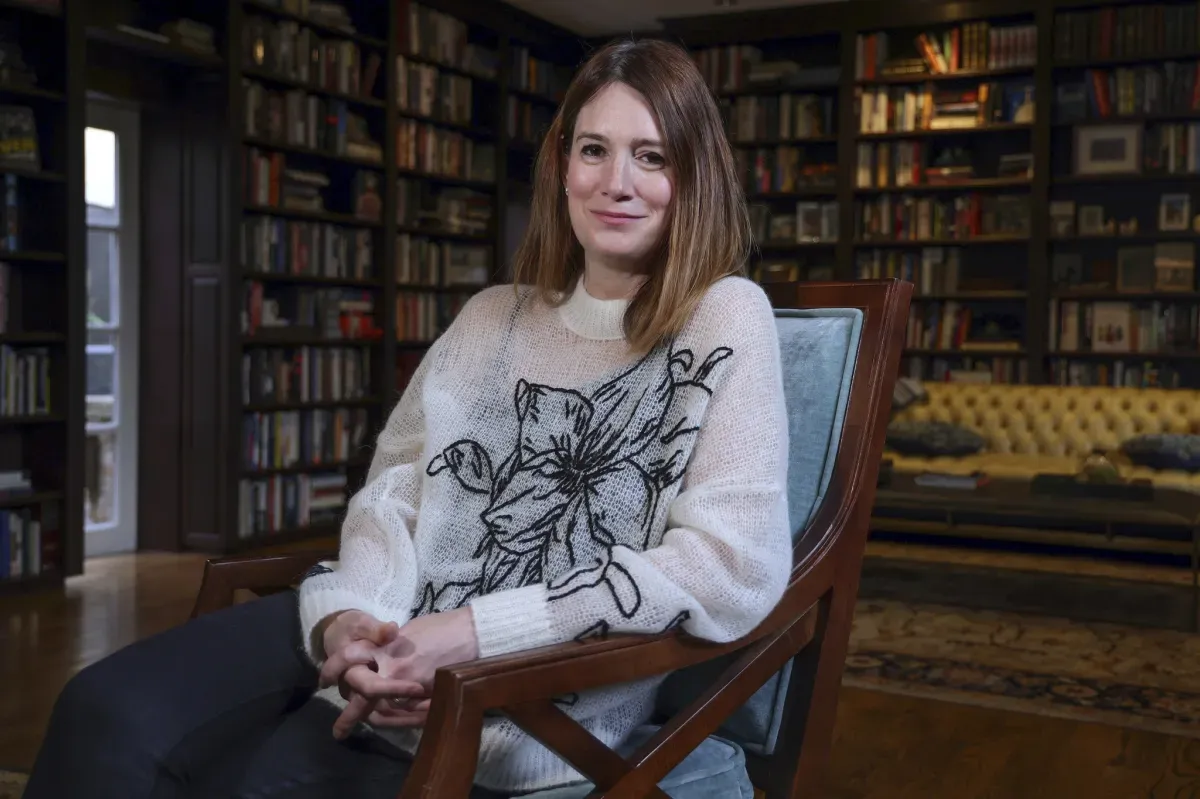
A brewing Take Dump post that may still come is a comparison of Gillian Flynn’s novels, three striking portraits of female antiheroism, and their film/TV adaptations. The TL;DR is that I loved her Gone Girl even more than the movie. Thankfully - similar to Kubrick’s Lolita - the film adds enough in cinematic and actorly joys to make up for the inability to do the novel’s vicious narration justice. I liked the TV show Sharp Objects until I read the book, Jean-Marc Vallee having more interest in ersatz southern gothic than the depth of the character's misery, resilience and anger. Dark Places was my least favorite of the three books, the movie isn’t well liked, and Flynn herself may be adapting it for TV soon. So I may wait for that.
I bring it up because Flynn’s work is the standard I wind up holding a show like Furious up against. Created by Liz Merriweather (The New Girl, The Dropout), Furious stars Emmy Rossum as a cop who fled to the FBI after the precinct and the old neighborhood punished her for outing an abusive boyfriend/co-worker. The pilot hits its notes pretty hard (that’s right, she uses apps to find violent sex, can you handle it?), but Rossum’s Alice Black settles into a basically healthy, if imperfect work family with dream mom/sister Agent Washington (Quincy Tyler Bernstine, a glorious role model for tiny women no longer called sparkplugs) and dream brother/husband Detective Kelly (Scoot McNairy, so sympathetically heroic I really wish his name wasn’t "Scoot"). All three are refreshingly capable of fucking up - it’s practically surreal to see a strong female TV fed defensively play mind games on a mentee - but share a genuine desire to use their power to seek justice. Some of their coworkers do, despite their biases, and some don’t, despite their skills, which is about all you can ask for in copaganda.
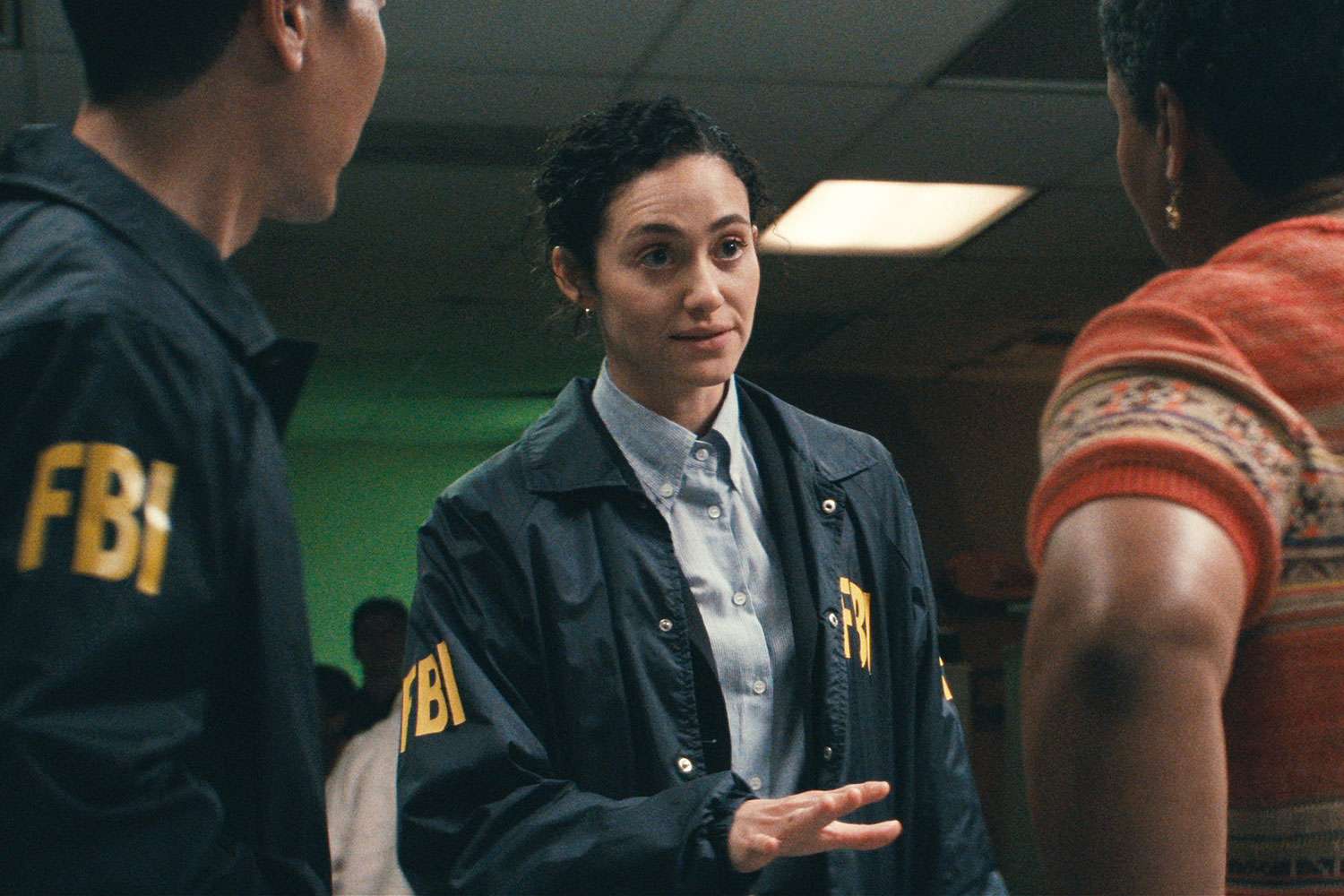
What brings this cross-agency team together is Catherine Grace, a former sex slave now on an ingenious crusade to kill off those who wronged her. Lola Petticrew is suitably intriguing as Grace, when pulling off her plan. But the character seems increasingly absurd when things go awry. Instead of reflecting the callow selfishness of her victims, and the conflicted sincerity of the team, Grace is a fantasy of someone sincerely connected to some people, while capable of the coldest shit to others. Merriwether doesn’t want to acknowledge what a difference there is between moral lapse, violent desire and a true desensitization to humanity, instead creating a genius serial killer who’d be a great nurse if the world would allow it.
I pointedly use words like “shrill” and “hysterical’ only when referring to music and performances by men, but a dramatic stand-off between Rossum and Petticrew - holding her gun sideways for some reason - begs for these terms. No spoilers, but it's especially rough going if you’ve seen The Woman In The House Across The Street From The Girl In The Window, Netflix’s bafflingly specific but hilarious parody of the ridiculous Netflix thriller The Woman In The Window. As befitting Merriwether’s pedigree, there’s plenty of smart set pieces and fantastic ensemble work (I haven’t even brought up everyone playing The Worst Family Ever, from Campbell Scott to Hope Davis to Peter McRobbie). But the finale arrives at a common trap in antihero stories: the makers’ hope that nevertheless, you’ll stan, when you really shouldn’t.
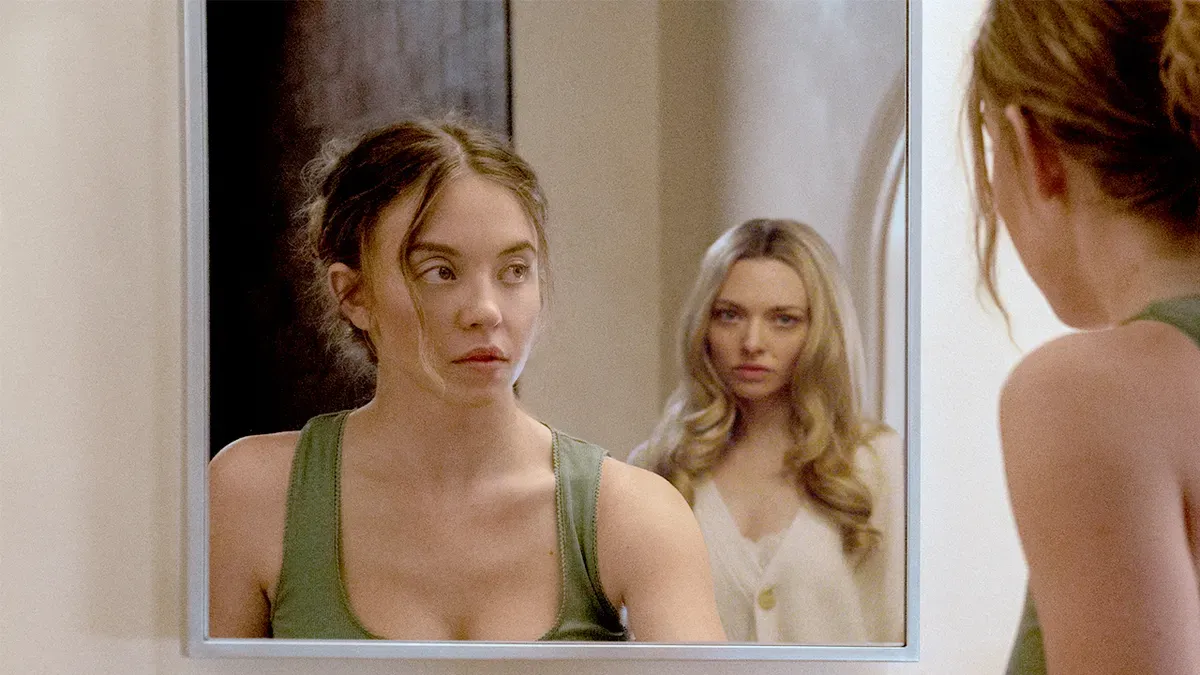
The Housemaid, Paul Feig’s adaptation of Rebecca Sonnenshine’s novel, finds a shameless way to avoid this problem (spoilers!!!). Keep the smug narration from Gone Girl, the brilliant long con to get revenge on a man, the delightful wealth porn and the juicy suburban milieu. Then remove anything that would make us not love the women. At first, the idea is that Sydney Sweeney’s voluptuously desperate fugitive has found herself under the thumb of a psychotic harridan (Amanda Seyfried). The woman’s long suffering, dreamboat tech husband (Brandon Sklenar) eventually surrenders to the call of nature, a topless Sweeney soon wrapping her legs around him while he’s standing. They finally tell a sniveling Seyfried to beat it, and I honestly hoped this was just a zoomer’s erotic tale of Daddy discovery and upward mobility. Why was the handsome gardener being a jerk to Sweeney? No reason. Wouldn’t that be a cool red herring? That some obsequious rando in a thriller won’t reveal info later. Maybe he’s just an asshole.
But, no. It turns out millennial mommy was once the desperate one, and that the studmuffin goes from zero to psycho as soon as he’s got you alone. So mom pretended to go bananas, let her long-suffering pre-teen daughter know what’s up, and hand-selected a young woman she trusted could handle Daddy once he turned Baddy. The movie isn’t fully misandry porn - the other rich moms are crudely dismissed as “bitches” and “cunts” by both women, and Elizabeth Perkins’ sociopathic haircut tells you all you need to know about Grandma (if it was dyed blond rather than grey, she’d be a Bond villain). But that vanity only adds to the dubious, Meghan Trainor feminism of it all. FOUR BAGS OF POPCORN.
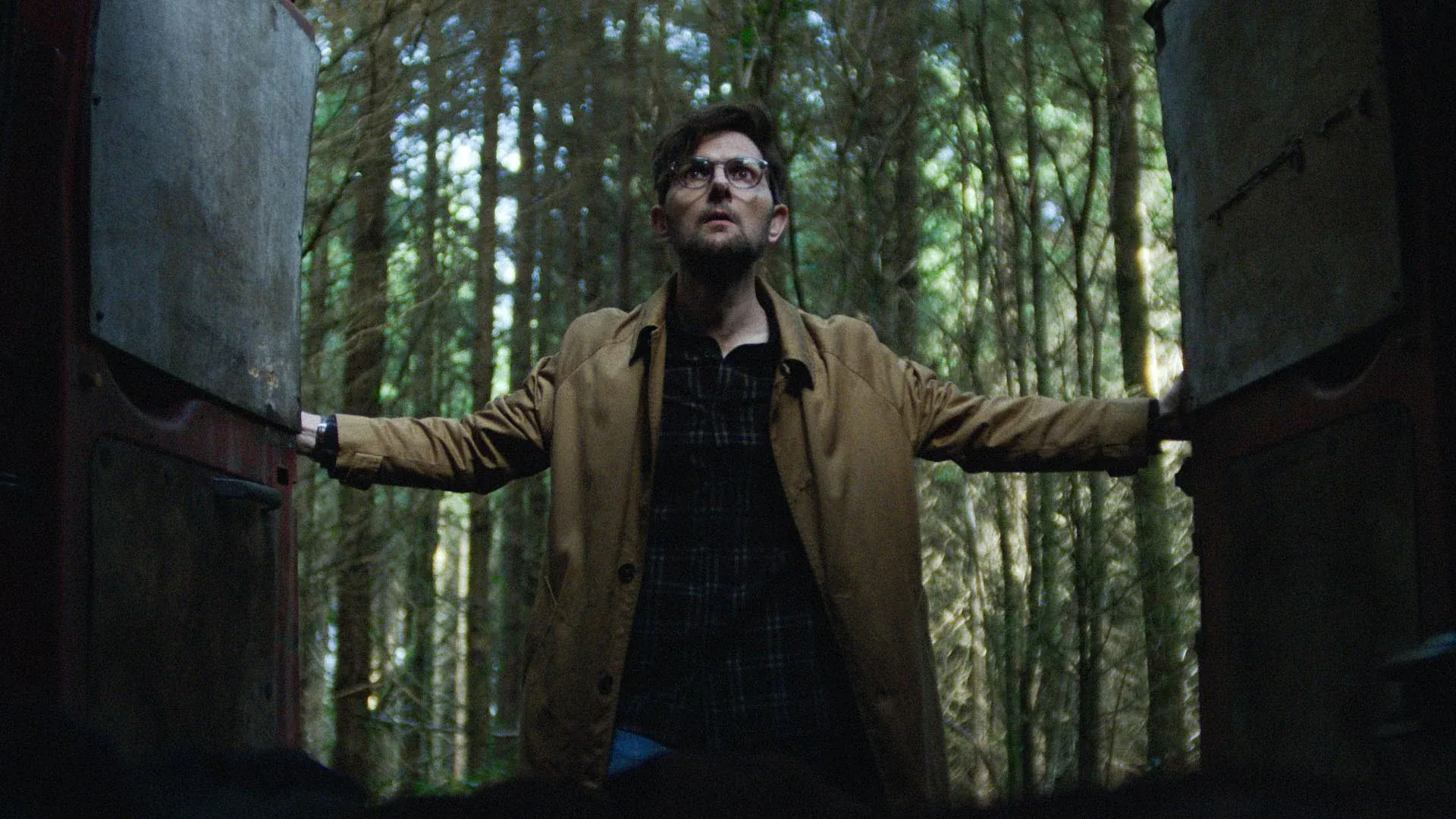
I don’t know if Adam Scott’s bitchy novelist in Hokum really qualifies as an anti-hero. Sure, he’s a prick to anybody who makes him say more than five words, but he’s clearly self-loathing, and apologetic when called out. He can’t figure out how to make his new novel less depressing, he’s haunted by ambiguous childhood trauma, and he’s starting to think this trip to scenic Ireland was a big mistake. But after surviving the worst night of his life, the person he most wants to thank goes missing, compelling to team up with a friendly shroomhead with his own baggage. Seems the problem could be…ghosts!
While Scott was fine enough in Big Little Lies that I don’t want to say he’s devoid of dramatic gifts, the more extreme the situation, the campier his presence feels. This was great in Piranha 3D, where he leaps from lighting rigs to a jet ski, soon firing a shotgun into the water with one hand, or in Krampus, delivering the best “oh, great” you’ll ever hear in a movie. But when the latest from Damian McCarthy (Oddity, Caveat) gets into his familiar cobwebbed malarkey, it’s a bummer we’re supposed to also think about the novelist’s entirely tangential emotional growth. Had Scott just played a jerk stumbling upon murderous secrets, a lot more fun could be had. FOUR BAGS OF POPCORN.
Further spooky season blurbage, courtesy of the Criterion Channel.
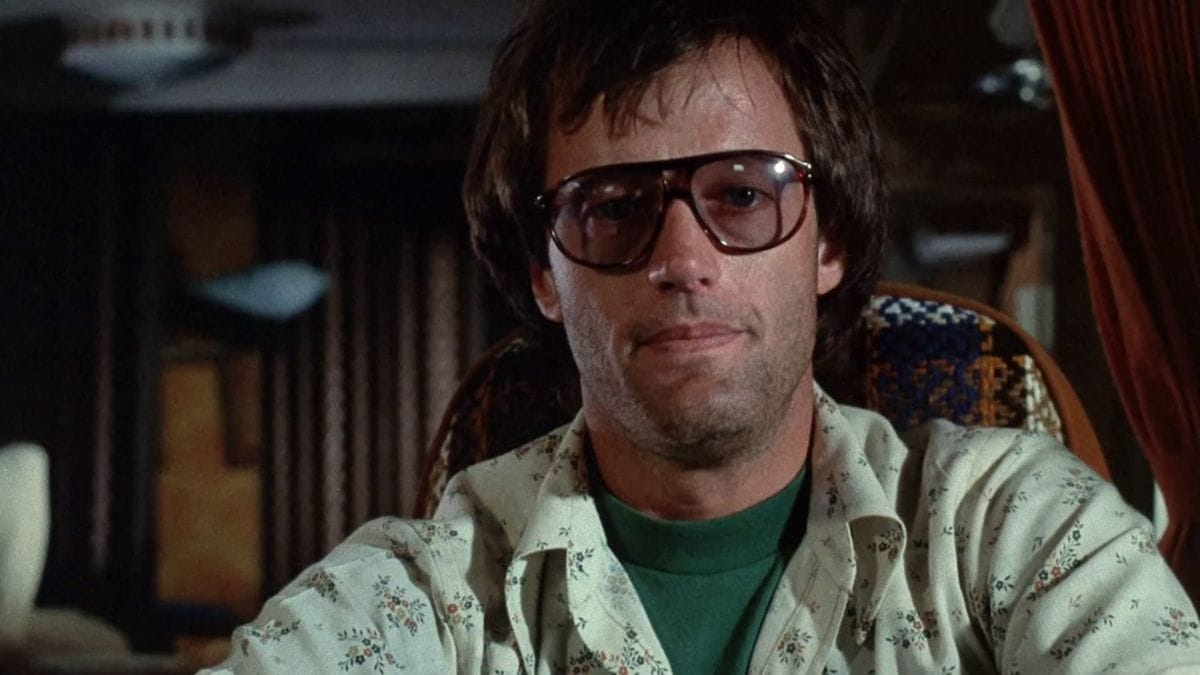
Race With The Devil: Peter Fonda, Warren Oates, Loretta Swit and Lara Parker are two couples excited to take an RV to Aspen. Unfortunately, they park next to a human sacrifice ritual in an awfully Satanic stretch of Texas, outside Amarillo. Maybe that’s why the local library the ladies visit has such a good occult section (spoiler: they wind up stealing a reference book, but promise each other they’ll return it after escaping the dark lord's minions). Fans of pre-internet drama like that, as well as shrieking women and grimacing men (I got a contact high just looking at Fonda) trying to escape venomous snakes and shirtless lunatics know they gotta see this. FIVE BAGS OF POPCORN.
Road Games: Stacy Keach plays a self-amused American trucker in Australia who realizes he’s sharing the road with a psycho killer. Jamie Lee Curtis is the plucky hitchhiker needed to make the movie truly Hitchockian. It's less notable than Love Letters, the romantic drama Curtis & Keach would make two years later, but still a good source of ominous desert highway footage. I wish Bon Scott had lived to play the bad guy, though. FOUR BAGS OF POPCORN.
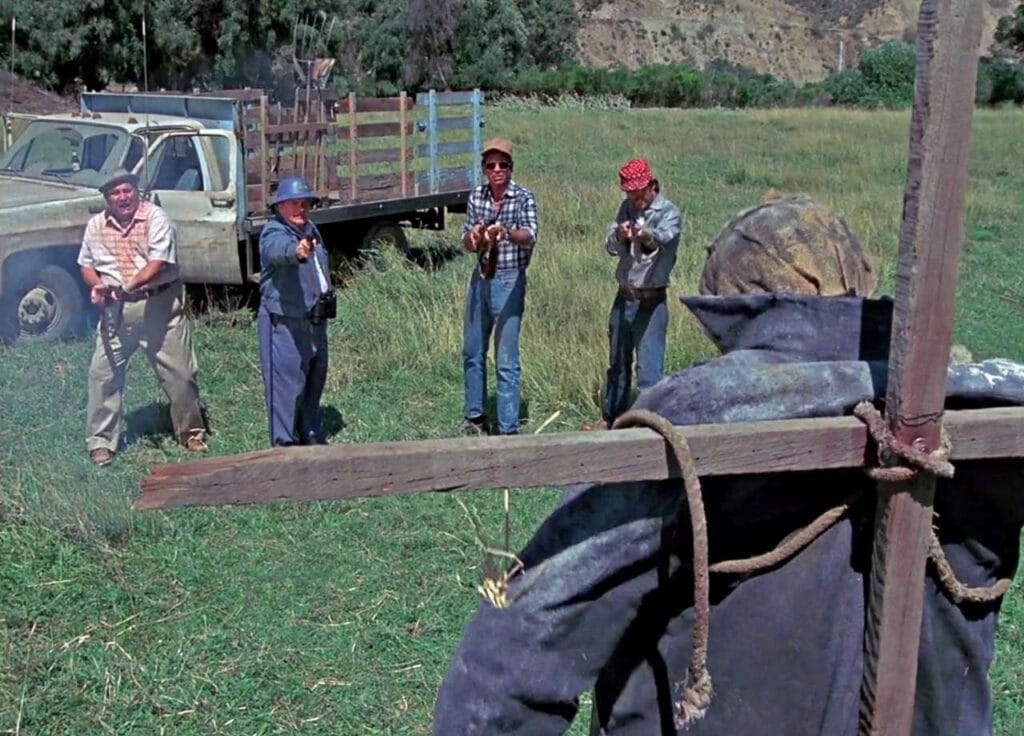
Dark Night Of The Scarecrow: Did you know Larry Drake played a mentally disabled guy before L.A. Law?! If you can get past that unfun fact, this remarkably dour TV movie from 1981 is mostly of note if you want to see Charles Durning get brutally physical, seemingly doing his own stunts as a hateful creep of a mail carrier responsible for the death of poor, harmless “Bubba.” It would make a good double bill with The Best Little Whorehouse In Texas, made a year later. Charles Durning can sing! He can dance! He can frantically stumble away from a bulldozer driven by a ghost! THREE BAGS OF POPCORN.
My popcorn ratings are explained here. If you want to tell me something, I'm ready to consider, with unclear motive, at anthonyisright at gmail dot com.