More Pain & More Punk: Take Dump 05/28/26
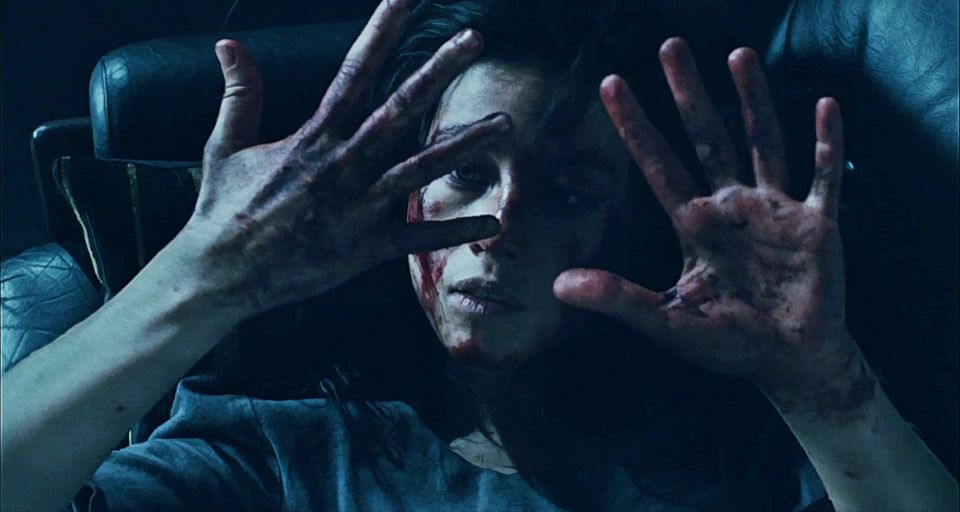
I don’t want to consider how long ago I first learned about the film Martyrs, likely from Rich Juzwiak’s delightful Fourfour blog. Actually, the film came out in 2008, so it was probably around then. Point being, it’s been quite the journey from his description of the French horror film branding my brain, to my decision to risk a click last week before it leaves AMC+. In case you don’t know, Martyrs is about a young girl, Lucie, who escaped a torture chamber, her kidnappers never found. She makes friends in an orphanage, but is clearly horrifically traumatized by the experience. Years later, a family - mom, dad, a teenage daughter and son - are having a happy breakfast, when Lucie shows up at the door, killing all four with a shotgun. She calls her friend, Anna, saying she successfully found her assailants.
There’s considerably more to it, and Rich J revealed the plot in full in his post. I forgot nothing, and the knowledge didn’t diminish my belated awe in the slightest. If anything, knowing how the story evolves might have kept me from bailing during the sudden plot twists. And I mean sudden. The quality of Martyrs I was least prepared for was the brutally quick pace of the editing. I think it was a brilliant choice, the inverse of how most of the era’s “torture porn” luxuriated in the agony of victims. This isn’t a movie selling dread, but horror. It’s about the experience of pain, with no respect for vicarious voyeurs. Home viewing makes it easier to NOPE out of a movie, and even in theaters, you usually can stomp out of a horror movie muttering “these guys are sick” with nothing on screen but wails of pain. But Martyrs is a film you’d have to run out of, the sequence that revulsed you likely evolving considerably if not over before you’re out of earshot.
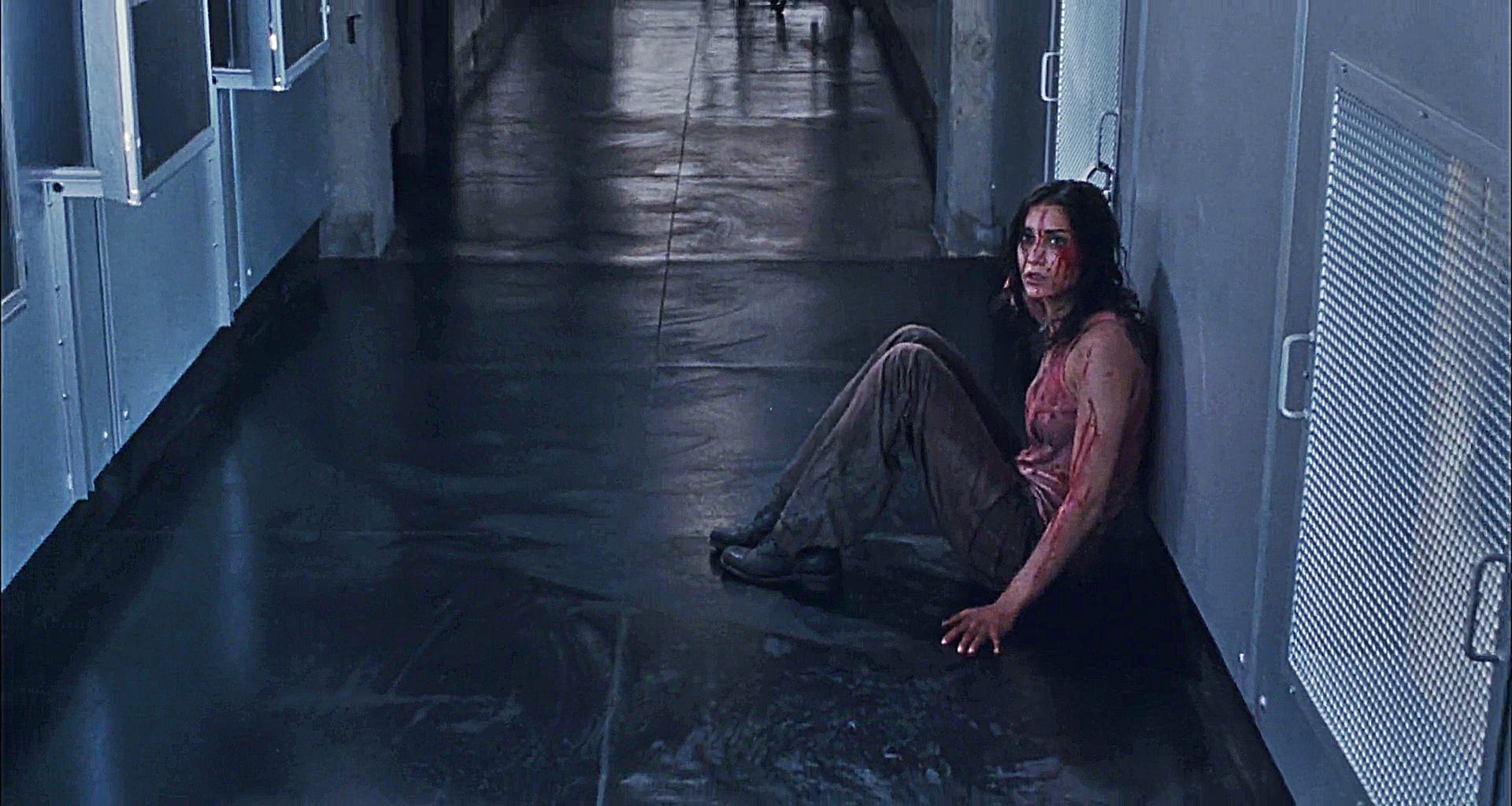
I haven’t seen either of the films director Pascal Laugier has made since, and I’m not surprised they’ve received less than even half the attention or respect. Martyrs is such an effective, philosophical use of horror that it’s hard to imagine the same filmmaker being as sure or inspired with material that’s merely thrilling. (Conceptual spoilers ahoy.) Martyrs thoroughly centers the human consequence of violence and victimization, only belatedly revealing a hideous metaphor for how those in power see their cruelty, whether passive or direct, as for a greater good. Unlike some, I didn’t see Martyrs as nihilistic at all. Laugier shows the utmost respect for Lucie and Anna. He doesn’t shirk away from acknowledging what they suffer, but the screen composition and editing are frank, not exploitive. There’s ambiguity in the final message, and the sudden choice taken. But, especially considering the visuals in the credits, it’s not hard to read the film as an exceptionally, excruciatingly tragic romance. Martyrs doesn’t pretend love conquers all, but wishes that it could, and wonders if it might. FIVE BAGS OF POPCORN.
I know it's debatable if this song is punk. That's why I'm providing alternates.
I know I already gave you a bunch of punk lists to ponder last week, but here’s one more. My ten favorite punk albums of all time. To be clear, I wouldn’t argue all these acts stayed punk. Actually, none of them did, except for the two most definitive acts in the genre, and maybe the Buzzcocks. Most here either turned indie rock (Feelies, Superchunk) or new wave cabaret (Wire, Kelly Osbourne). But I’d make the case for these albums as punk.
- Ramones, The Ramones
- The Feelies, Crazy Rhythms
- The Psychedelic Furs, The Psychedelic Furs [UK]
- Gang Of Four, Entertainment!
- Kelly Osbourne, Shut Up!
- The Sex Pistols, Never Mind The Bollocks, Here’s The Sex Pistols
- The Fall, 77-Early Fall-79
- Superchunk, Tossing Seeds (89-91)
- Wire, Pink Flag
- Buzzcocks, Another Music In A Different Kitchen
If you are utterly aghast at one to three of the inclusions above, pretend they've been replaced by the first Raincoats album, the first Clash album or Green Day's Insomniac. If you're still mad, then let me know why.
Originally, I planned my post about the Rolling Stone list to be part of a Take Dump like this, before it became its own beast. So pretend I’ve just posted that clip of Turnstile on Fallon before this segue…
Brendan Yates is the Turnstile dude!
Speaking of ridiculous bands who reportedly blew minds in the “hardcore scene” by being deadly serious in a goofy way, American Football. I wrote them off as the latest in pretentious midwestern emo (featuring two Kinsellas!) back in college, but they’re apparently a bigger deal than ever twenty-plus years later. I don’t know their evolutionary arc well, but on their latest album, LP4, they sound like if the Smiths never broke up. And then the Smiths evolved like Talk Talk. And Morrissey was a straight guy from the Chicago suburbs who thought it was ok to sing like this because Morrissey did. Apparently, since their last album, said singer was revealed to have a secret girlfriend for several years behind his wife and children’s back. This, for the true believers of millennial art-rock, perhaps adds gravitas to lyrics begging you not to love him and claiming he has no soul to save: “Ask my ex-wife/ she met Dr. Jekyll & Mr. Hide/ I know, I know, I know that should be a 'y'/ but none of my 'whys' ever get answered.” Sometimes the splashy, jazz-centric drummer gets to play trumpet. The singer from Turnstile has a featuring credit. *mimes head exploding*
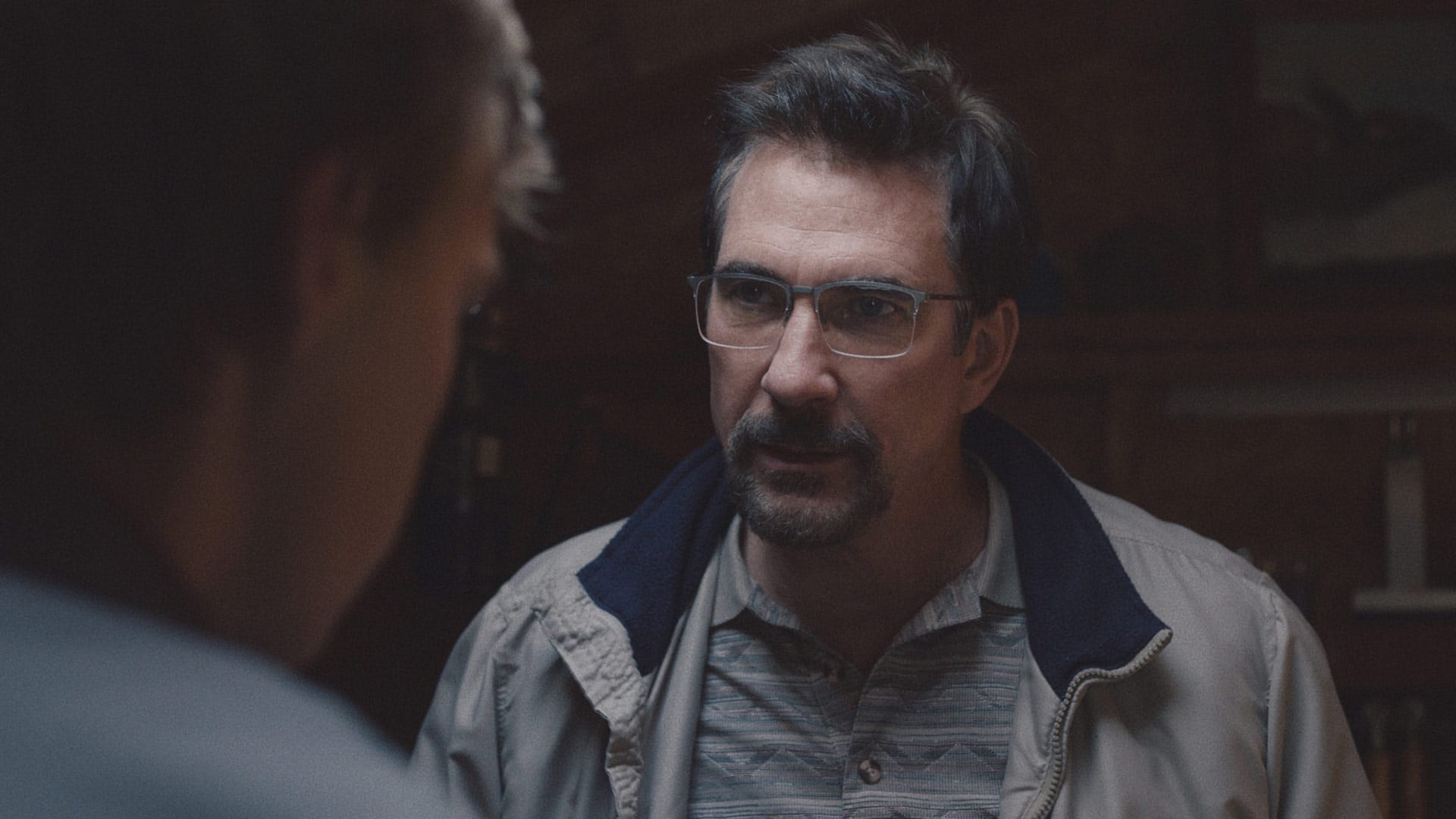
In The Clovehitch Killer, Dylan McDermott plays a more earthly Ned Flanders, for better or worse. Committed scout troop leader, and a dad who at least tries to temper his stern, religious principles with empathy. He knows his adolescent son must be dealing with so much temptation right now, but at least he can share a beer with his old man (don’t tell mom) and learn the value of responsibility and mature manhood. But stay out of dad’s shed. That son (played by Charlie Plummer) of course doesn’t, and soon realizes his dad might be the killer who terrorized their hometown a decade earlier. It’s a tonally surprising film in ways, humanizing its characters without eliding the horrific consequences of the actions. The filmmakers get how the nuances of finding out a parent’s unspeakable dark side would seem funny from one angle, and 100% not from another, avoiding the looming dread most would give the story, making space for nervous disbelief and heartbroken acceptance instead. POPCORN CLASSIC.
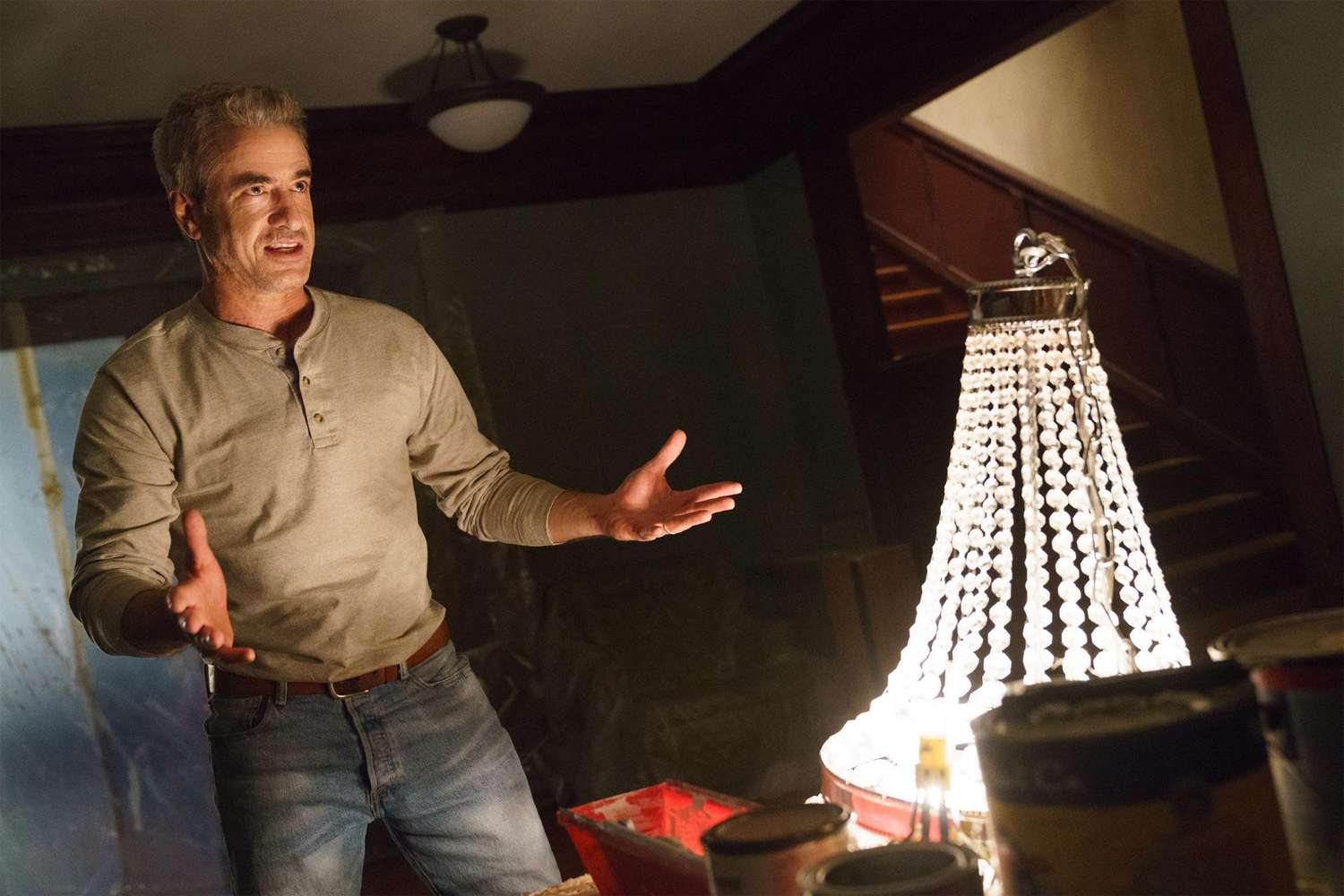
In Flesh & Blood, Dermot Mulroney plays another doting dad who might actually be a murderous maniac. Young Kimberly’s been agoraphobic since the murder of her mother, resenting her father’s obsequious control while unable to function without it. Directed by the auteur of 2011’s Drive Angry (where William Fichtner is the suited demon chasing Nic Cage’s escapee from hell - man, I need to see that again), this Hulu “In The Dark” movie lacks the poignancy of The Clovehitch Killer, but makes up for it in psycho killer set pieces. Where McDermott coolly wishes everyone would let him take care of these…misunderstandings, Mulroney just wants to keep the neighbors from noticing his drooling rage. It ain't easy, folks. FIVE BAGS OF POPCORN.
The popcorn is explained here. If you know some punk I gotta hear or some slasher I've gotta stream, feel free to inform me via anthonyisright at gmail dot com.