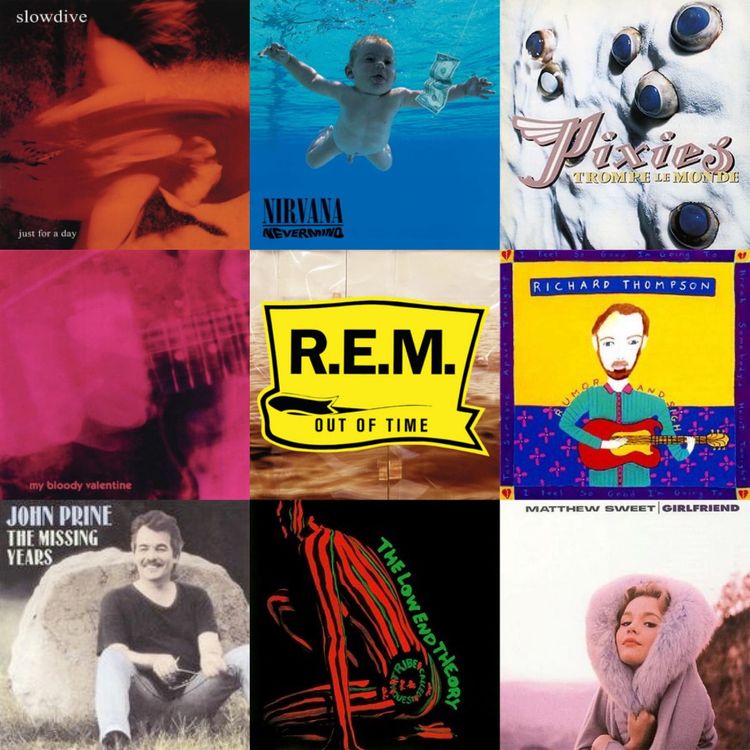
Irony Lives: On Pitchfork And Indie Rock
First things first: don’t put in the newspaper that I’m mad. I do not actively resent a single music critic out there, be they well-paid by a legacy brand, or making fat stacks mugging in YouTube icons I will never click. I’m not someone nursing a narcissistic wound from decades past, shrieking about those absurd ignorami killing music, the hipsters who mocked me when I submitted to Flagpole but now I make bennies and they don’t. I’m certainly overinvested in rock criticism, but more in the same way I’m unduly hung up on rock music. Few people would bother to rate a couple dozen albums from the ‘90s, and even fewer would bother to say when a piece of criticism is lacking in self-awareness. But take this more in the spirit of someone freaking out for paragraphs that a sports team or a movie studio is making bad choices, rather than someone shaking their fist at poptimists, confused about who the real enemy is. This is culture nerdery about culture nerdery, inherently frivolous to dwell on. I’m not looking to demonize the players, even if I do care about the game.
It’s ironic I'm compelled to say this whenever thinkpiece-ing about thinkpiecers. Music criticism exists because someone was smug jerk enough to step forward and say “I will tell people which tunes I think are worth their time, and maybe explain why, rather than shut my mouth, listen to something else, or make my own music.” You’d think if someone has the stones to make that choice, they’d catch themselves before suggesting anyone lacks the erudition or stature to critique their critique. I’m not defending stans abusively attacking humble writers for a 7.3 or anything. There’s a certain level of respect everyone is entitled to. But if you’ve assigned yourself the privilege of rating a work of art on a scale of 1 to 10, surely someone can say your review sucks, or that it should be a 7 not an 8. Pitchfork’s paywalls today are outright based on that assumption.
Every music critic should hear this at least once.
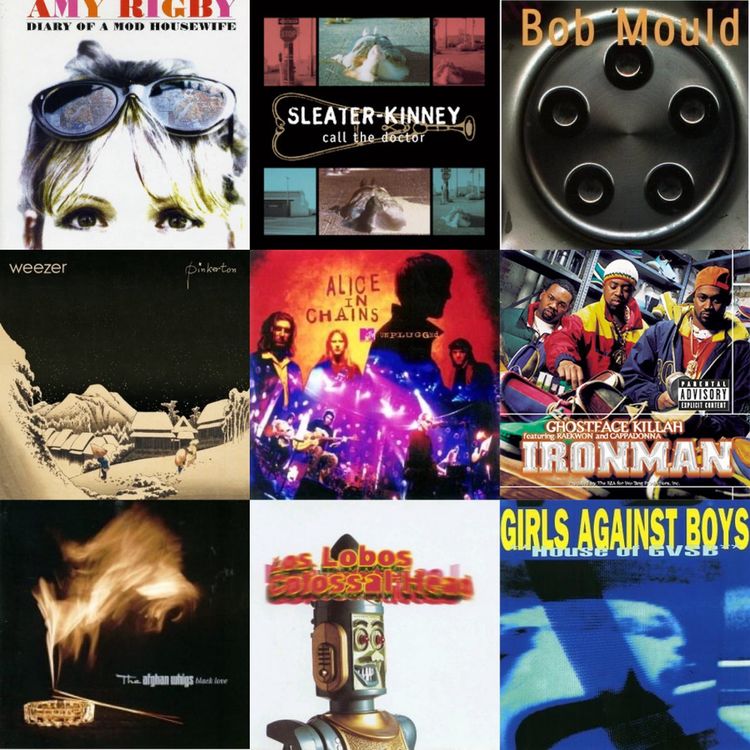
Which brings us to be the heaping lump of irony that inspired these japes and handwringing - Pitchfork’s 100 Best Indie Rock Albums Of All Time list. At first, as with Rolling Stone’s punk dealie-bob, I approved that the albums were largely old stuff I dug, new stuff I should know better, and random shit the children should get to judge for themselves. With writers and editors at legacy brands competing with algorithms and robots for attention, its totally understandable, even appropriate, that lists should be more seemingly chaotic in structure. The goal is engagement, and a modest, reasoned placing of established acts sure ain’t going to achieve that. So if a site can bring some whimsy and idiosyncrasy into a list, while still making it an educational experience for the young and at least entertaining for the old, that’s a good thing.
But the more I thought about it, the more I was struck by the sloppiness of the Pitchfork list. The opening paragraphs are remarkably glib about a pro-American bias (as if “indie” wasn’t applied to rock bands in the UK first), and yet pious about only considering albums from independent labels. Assuming the adware doesn’t crash your browser, the list almost seems to punish you for remembering that criteria as it goes on. Wasn’t the Stone Roses only barely indie in England, their label partnered with RCA stateside? And aren’t they British? The first fifteen years of art-country icons Wilco were funded by and released by Warner Bros. But for Pitchfork, the choice to stream the initially rejected Yankee Hotel Foxtrot online for about a month (back when only the finest dorm rooms had ethernet), before returning to the conglomerate, made it one of the twenty best indie rock albums ever? The Yeah Yeah Yeahs' one EP before they signed to Interscope? DFA is disqualified for a distribution deal with a major, but I.R.S. isn’t?
I'm not debating whether music ever got better than this. Just how it was distributed.
But the coup de grace is calling Crooked Rain, Crooked Rain by Pavement the best indie rock album of all time. This was a hugely important album for me in my youth, and I still appreciate Pitchfork giving it up for “Gold Soundz” in their ‘90s tracks countdown. The author of last month’s Weezer album guide doesn't get to complain about the white male xennial hegemony. But the album was promoted and distributed by Warner Bros, the “Atlantic” logo left off strictly for matters of credibility (the Atlantic logo does appear on Yo La Tengo’s Painful - in at no. 8, and on Liz Phair’s ’94 follow-up to the ’93 album at number 2).
Once I realized this, I braved the adtech again to see if the irony was acknowledged. Maybe the idea was that, by intentionally pretending to be more indie than it was, Crooked Rain was the most indie of all? That would be a dubious argument, but at least a cognizant one. Instead, the blurb describes indie as a vibe, wistfully recalling how young Pitchfork sprung from a desire to report from "the margins" - while also noting “Cut Your Hair” made the modern rock Top 10. This would be incoherent even if it wasn’t directly rebuking the stance taken in the introduction. (And don’t blame the ignorance of youth: the introduction and final blurb were respectively written by two veteran writers named Jeremy).
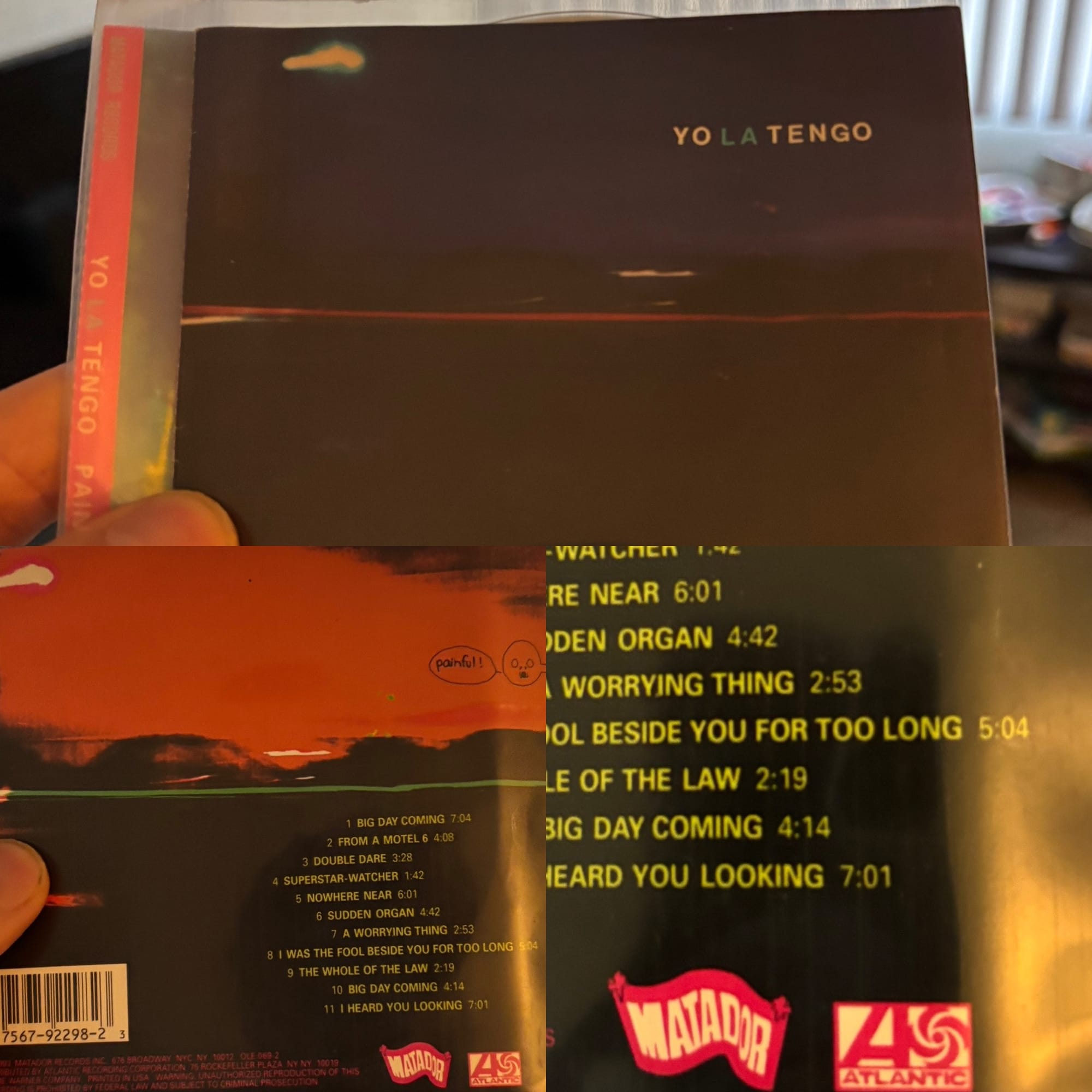
“Who cares?” is a valid retort...but only from someone who genuinely doesn’t care. Hopefully, the paid professionals at the site trumpeting their hallowed legacy do care. And though I’m sure there’s plenty of inane “The Blanks only at Fiftyleven?!!?! Who are The Somethings??!” reply-box commentary I’ve managed to avoid, I was surprised how many of my pro-am critic peers seemed to take the list at face value, either praising Pitchfork’s commitment to indie rock or suggesting commoners hadn't earned the right to speak unto a Condé Nast property about DIY. All this wagon circling seemed entirely oblivious to being a defense of a former indie e-zine, now controlled by a downsize-happy Anna Wintour, saying nothing was more evocative of the glory of indie rock than when Matador Records met Atlantic Records. To be fair, the ad tech is really hard to get through.
Again, I’m too cynical about all this to be mad. Rather than crow I bolted from a NYC blogging gig to get a Real Degree fifteen years ago, only to be writing pro bono about rock criticism today, I’ll acknowledge this marks me as a truly neurotic goofball. But it’s still a bummer to see this sloppy piety slipping into the professional music critic scene. Though nowhere as horrific as when new owners had the Village Voice reporting on the 10 hottest hotties at Coachella, Pitchfork and other sites are increasingly trumpeting their reputation with one hand and saying “nothing matters” with the other. And while I am wholly against humans being replaced by robots, I think robots could make a grab-bag list of albums with self-contradicting blurbs, guaranteed to get rando fans hot and bothered, pretty easily. It’s consideration and journalism that would make one stand out from the noise, providing food for thought rather than just cause for debate.
Another irony: the disqualified Fall was on Matador/Atlantic, like 3/10ths of the Top Ten!
I truly believe we need cross-occupational solidarity today, which is one reason I can’t stand pieces that argue for the value of an individual career path, or narrowly sweat The State Of One Industry, as if it’s matter of individuals needing to appeal to the rich, rather than us collectively suffering a wealth gap and a lack of human rights. And as such, I don’t want to make it sound like music critics are Asking For It. None of us are. But, if we’re going to take pride in the choice to gab loudly about music, it serves us to actually try a little harder to provide something the comments box and Reviewtron-3000 won’t. To not just pump out the text and lash out when people fail to respect authority. Especially when that authority was originally some loudmouth in Minneapolis going “shit, cat” at a John Coltrane album. (His memoir comes out in December, in case Trump telling 60 Minutes “you should have had stock” wasn’t enough of a contemptible victory lap for you).
Ok, I'm a bit of a hater on this one.
If you have something to say in response, that's your privilege. I'll even offer anthonyisright at gmail dot com as an outlet. But it's ok, either way. I'm good.