The Five Types Of Poptimists, According To A Poptimist
If your drunk uncle with shitty politics asks, I’m a feminist. I’d prefer to say that I aspire to and support feminist ideals, but hesitate to refer to myself as a “feminist” because people often use that handle to claim they’re not capable of sexism, while I recognize I’m a cishet dude raised in rape culture, and am accordingly not above unexamined bias. But if some asshole says “what are you, a feminist?” The answer is “yes,” as far as they’re concerned. In the same sense, you could call me woke, you could call me a leftie, you could call me a poptimist. I don’t fear our society overreaching in terms of progressive reform, and I don’t mind being associated with those pushing the envelope.
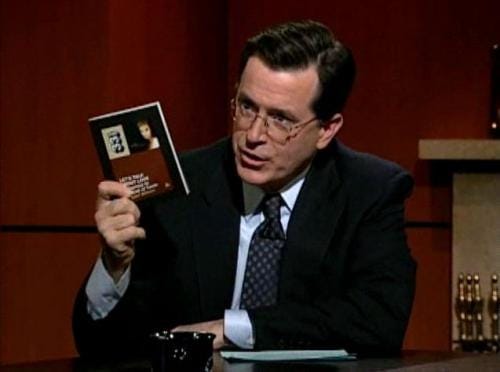
If you somehow are reading my blog without already having a take on “poptimism,” truly feel free to skip this one. I’m not going to bother writing a thorough explanation of how this term evolved, and its relation to “rockism.” Carl Wilson, whose 33 1/3 book about Celine Dion’s Let’s Talk About Love is one of the few texts poptimism-bashers have ever bothered to directly reference, wrote a decent overview, if you require such a thing. But I’m going to assume most reading grasp that “rockists” are like racists but with music, and “poptimists” refers to the folks perceived as throwing the authentic, creative baby out with the boomer bile bathwater.
It’s tempting to argue of all this can be ignored. If you want to say more about music than just “rules” and “sucks,” it’s good to be honest and self-critical about what you enjoy, so that you don’t unduly flatter yourself with truisms about the implied politics behind ear candy and artistic majesty. But, while I don’t have time for anyone who points to a COVID-conscious lesbian bar, or a loud anonymous online “tankie,” as proof the left can go too far, I’m going to throw those who chafe at “poptimism” a bone. And by that, I mean I’ll acknowledge five types of pop fans they might really be complaining about. While any individual could qualify in multiple categories, I don’t think it’s right to lump them together when whining that you’re being told all popular music is inherently good, or that Taylor Swift deserves your time and attention, what have you. Especially if you don’t want to look like a drunk uncle with shitty politics.
- Professional popular music critics and academics
Journalists. Musicians. College faculty. Three career paths whose travelers have seen their industries decimated by the digital economy and fickle, soulless capitalists. Fewer and fewer of these noble thinkers and troubadours are capable of finding paying work, let alone making a living. So you can imagine the desperation and anxiety felt by journalists and academics who write and teach about music. Every time you say “who cares about pop music” or “everything sucks” or “a class about Tupac? Ridiculous!” or “too bad it’s behind a paywall, don’t care,” they see their lunch disappearing. And just as anyone can unthinkingly tell the world “I’ve never heard this number one song, lol” from the can, a critic can defensively shout with the same reckless lack of perspective that you must be a real asshole to not just click a button and hear this hit already, or that Garth Brooks belongs in a museum, or that you must hate their children to be so cruel and/or uncool.
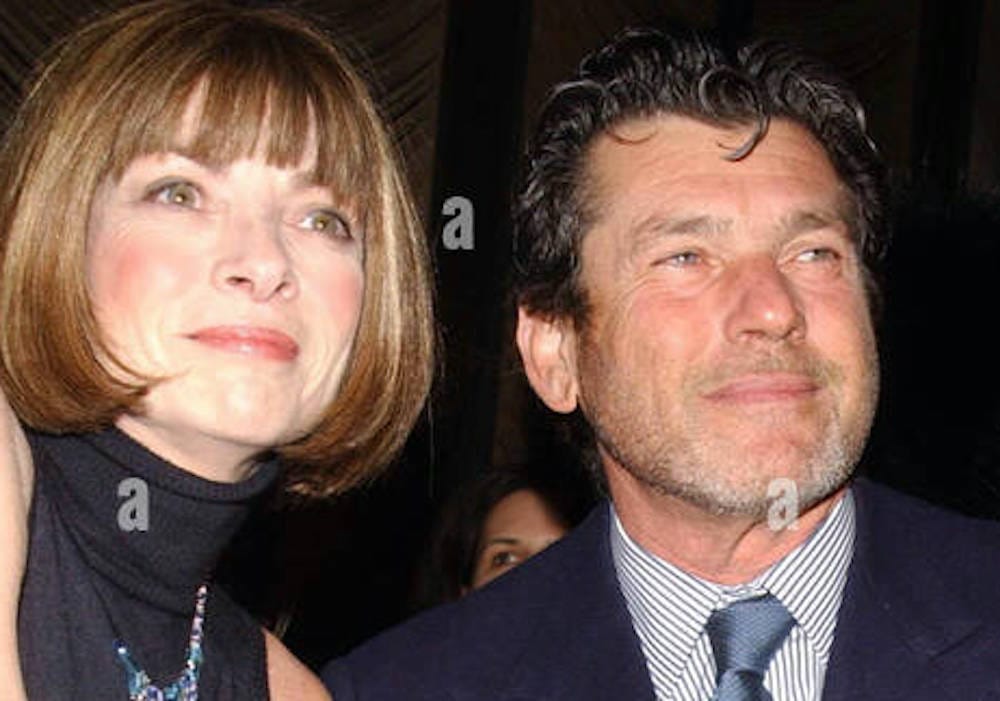
Though I’m in no rush to do it again, I have been a professional music blogger. I still love to attend conferences where academics share their studies and investigations of popular music around the globe. I’ve seen up close as 20th century media companies are merged and consumed by near-nihilistic monoliths that increasingly care only about whether the stock market perceives of a potential for rapid growth. I freaked out, quit the game, and got an accounting degree over a decade ago, so I can only imagine how maddening the situation must be for those who’ve managed to hang on. Sometimes, yes, a critic or adjunct gets a little pious about how no one is curious anymore, or says music is better than ever, that it’s not their fault they have to write about every dookie Drake drops, or that the intelligent should just ignore the rating and read the text (a stance Anna Wintour has brutally teabagged with Pitchfork’s blurred-out numbers, the reviews themselves now a loss-leader for joining a community of quantifiers). But they’re on edge these days, just like you’re probably on edge. Maybe we should all step back and recognize a common enemy.
2. Feminist auteurists
A lot of 20th century music critics argued that a female artist could be just as worthy of respect as a male one. However, that didn’t stop them from accepting male creative indulgence and commercial mediocrity as par for course, while freaking out when challenged by a woman daring to be too pretentious, too erotic, too obvious, too anything. You may love or hate James Taylor, but it’s Joni Mitchell that gets the “how dare she,” the “writers just want to fuck her”, etc, etc. We’re raised to recognize the right of men to flourish or fail, but there’s an extra degree of contempt for women who go outside their lane. And a writer saying “hey, sometimes women are capable of greatness!” was seen as a major breakthrough.
But, just as feminism and racial awareness evolved over the decades, more and more critics are keen to recognize virtues outside the usual white male paradigm. Why is dancing just showbiz? Who said the LP is the measuring stick of artistic merit? Why is it cool for Iggy to wiggle his ass but not Britney? What is good singing? And why does it have to be in English? These deconstructive notions were even easier to espouse on the internet, spicy writing and ideas no longer requiring the approval of a tolerant editor.
But even the wildest ideological firebrand gets older, and might have some cliche notions to them after all. You might cheer the democratic glory of the hit parade, kids deciding which star’s got the juice, but are you going to not listen to the new Madonna album just because those under 20 couldn’t give a shit? Are you going to pretend a master of pastiche like Bruno Mars is more artistically rewarding than Carly Rae Jepsen? If you’re not getting paid to give everyone a deep listen, why wouldn’t you start to pick and choose what to pay attention to over time?
Perhaps the first moment when rockists dared to say "enough!"
The aging rock fan isn’t expected to care about every kind of rock. A Springsteen or Green Day fan can say “it’s all about a stadium singing along to a universally appreciated song!” and a Boris or King Crimson fan can tell them to cram it with walnuts. But both remain fans of rock. The multiple definitions of pop haven’t been as unpacked, leading to a disconnect where the perceived populist gets chided for being less populist with age. Or the woman working in the style of Madonna, and being called a queen by a cult, is called out for not being a twelfth as popular as Madonna was at her peak. A lot of the loudest, proudest “poptimists” online are really feminist auteurists, eager to find and celebrate works that subvert the parts of mainstream ideology they don’t like, just as many a rock fan is. And while maybe some Caroline Polachek fans aren’t quick to cop to making a cultural mountain out of a molehill, neither were Lou Reed fans.
3. Pop-rock weirdos
These are my people. Smart-asses who liked some stuff on the hit parade, some stuff outside of it. They chafed at some critical cliches, but fell for others, and would cavalierly bounce between saying “well, obviously Sly Stone is a genius” and “you can’t deny Lipps Inc.!” Depending on their age, they might have read a wild book about hair metal by a guy name Chuck, and realized that music culture is full of odd contradictions and vanities about commerce and authenticity. All a yocky nerdlinger can do is explore or mock these fascinations, staying true to their ever-evolving sense of mission. “Ashlee Simpson is as culturally relevant and worthy of attention as Bob Dylan! The kids understand! Wait, Three Days Grace has sold more than Ashlee Simpson? That’s not my concern.” As a young snark machine, I loved the idea that you could decide to follow a one-hit wonder to the grave, swearing they’re actually a genius. And on the flip, you could say a Nobel prize winner has been coasting on goofy grandpa Americana even before he was shown up by Soy Bomb. Earnest enthusiasts for specific genres can’t stand this shit, where a writer’s top ten metal albums ignore anything with chops, while saying you gotta give it up for Kix. And, because they play with interesting ideas, or write entertainingly, these goofballs, inscrutable unless you have nothing better to do than pay close attention, are real hard to get out of the discourse. It’s not fair to the studious and the backbone of a learned society to be roped in with us glib, carefree hyenas, who frequently share our two cents with no right beyond owning a thousand albums and paying our taxes.
4. Stans
While I’ve rarely had to interact with these characters, studious pop connoisseurs have made me aware there are large swaths of the internet where fans of a specific artist wild out, spitting furiously at anyone who dares to be reverent about pop, but less so about the act in question. Pop-rock weirdos are usually too confusing to get the kind of heat that more po-faced writers get for giving a new album three stars rather than four. When we write about Ariana Grande, there’s a reference to Helen Reddy or Blackpink in the first paragraph. Her champions go “lol wut,” and back away, rolling their eyes. But if you spend two paragraphs saying why Grande is a very important, very notable figure in culture, before saying the new album is disappointing? You’re in big trouble.
But just as an erudite fan of good Bob Seger, the out-of-print stuff, wouldn’t want to be lumped in with assholes who write “so much better than Beiber!” on YouTube under “You’ll Accomp’ny Me,” it’s not right to compare feminist auteurists and stans. Someone acting like a knee-jerk moron is acting like a knee-jerk moron, and there isn’t a religion, or philosophical stance, or fanbase that isn’t rife with this behavior. Also, a lot of these incoherent maniacs might be literal teenagers, so ask where the parents are. It’s always tacky when someone on the edge of cancellation ignores dozens of valid criticisms to call out the one dude posting hate speech. Similarly, if you just hate the mindless noise around a star, don’t try to shame the mindful by association.
5. Robots, and the executives who employ them
In 2026, we don’t even need teenagers to make absurd, argumentative comments about pop stars for us. Robots are out there, promoting and writing interviews with AI creations like Geese and Tilly Norwood, sliding into DMs to say Bob Seger needs $20, all kinds of crazy stuff. And executives, tired of seeing Donald Trump have all the psychotic fun, wonder if robots could replace you, you, you and you. For years, music site management has used SEO charts and other online metrics to argue their few remaining human employees should write about what they know people are asking Jeeves about. These businesses fill your feeds with wiki-rehash and the most grating, obnoxious videos by “content creators” who shout that you’re wrong or you’re right depending on which you’re most likely to click on. If social media isn’t a ring of hell, its makers have definitely hired one of Satan’s interior designers.
And yet, people have the hardest time applying a top-down perspective to the problem. It’s not voter disenfranchisement and a government complicit in decades of corruption and misinformation that’s wrecked the country, it’s that your neighbor is an dumbass. It’s not that you’re on social media too much and overwhelmed by a pipeline that jumbles news, opinion, memes, cries for help, hot takes and half-assed comments, it’s that you’re sane and these annoying clowns have shown up and ruined everything. And so we yell “stifle yourself” like Archie Bunker, or get sullen and aggrieved like Meathead, only in a global public square of thousands instead of a living room. But again, maybe we could take a moment and recognize how crazy-making and untenable the situation is, even before your neighbor reveals they’re a dumbass.
You watch this and tell me if it's rockist. I don't care enough.
You might think I should now describe five different types of rockists, but they’re also mostly endangered professionals, earnest auteurists, idiosyncratic loudmouths, mindless stans and robot employees of the oligarchy. The ones you’d call rockist are just either praising the REAL in blatantly conservative terms, or saying this coverage of, and tolerance for pop, has gone too far. Plus, once you acknowledge all the other genres around pop & rock, it takes a lot of effort to distinguish who’s actually championing the authentic, or just the “authentic.” Do you think your drunk uncle with shitty politics should listen to new rap because he’s missing out on some fun, or because it’s culturally enriching to do so? If a feminist auteurist rates Joni Mitchell and hates Taylor Swift, are they a rockist? What about Aretha Franklin? And if you’ve only got Franklin’s most famous albums in your collection, is that rockism or poptimism? What if you have more Steve Miller Band? What if you have more Manhattan Transfer? It gets confusing really fast.
If you don’t agree that blanket bitching about those to your left is nothing but victim-blaming in a fascist hellscape, that’s it’s own deal. But maybe it’s better to call out bad politics if we are so compelled, and bad taste when we’re so compelled, without creating a grand theory that the two are one and the same. Especially if the theory drives us to conflate the considerate and the lemming-like, or the powerful and the powerless. If complaining about a group few would claim to be in means eliding acknowledgment of the power structures we’re all suffering under, just so we can subtextually zing mutuals who think they’re so great when they’re so not. Not that I can talk, as I’ve totally subtextually zinged you here. You’re welcome.
It's me, hi, I'm the problem, it's me.
If you have something to say to me after reading this, why? Really? If you must, my e-mail is anthonyisright at gmail dot com. I promise I'll never use the word "poptimist" or "rockist" on this blog for at least a month, Ok? I just wanted to be a pop-rock weirdo about it.