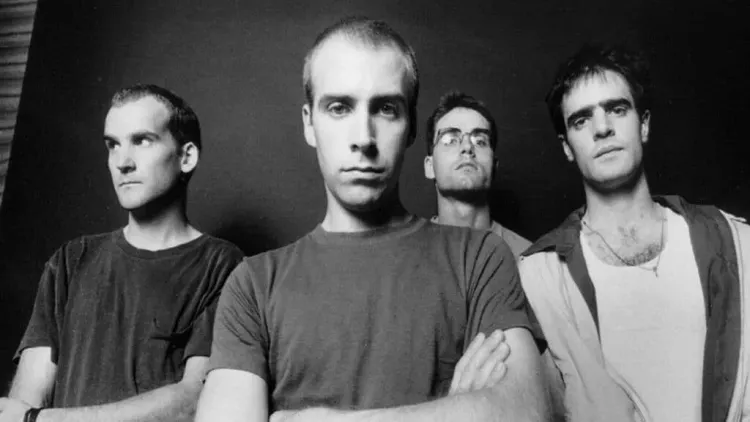
My Favorite Albums Of 1996
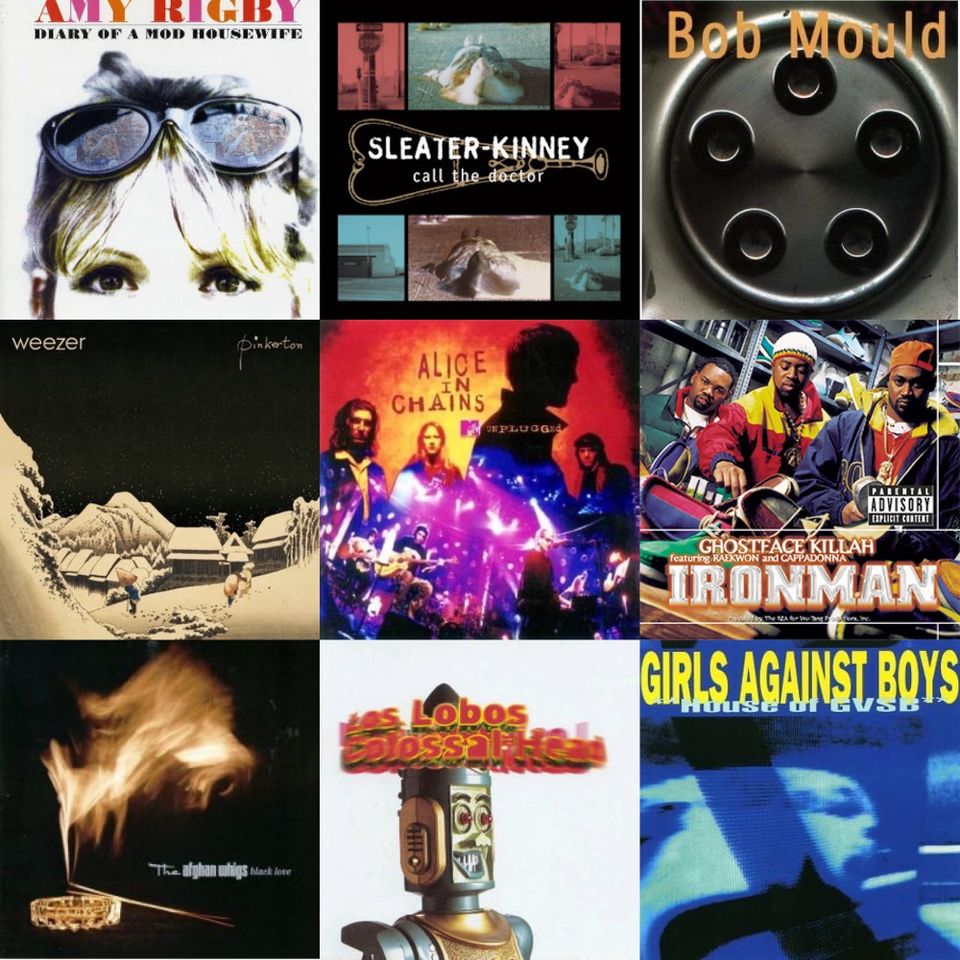
It’s probably no surprise that 1996 provides my longest list of shelf-worthy LPs yet, with 35 titles (not even counting compilations!). I was in high school at the time, writing many a rapturous review about "alternative rock" for the teen page of the local paper. There were weeks in '96 where 50% of the Top 40 airplay chart consisted of the stuff, alt-rock itself broadening beyond grunge classicism with hip-hop and techno elements. With underground veterans like Gibby Haynes and Lou Barlow among those cooing over drum loops on the radio, “alternapop” was not yet a sign of major labels reducing the field's subversive potential to frosted-tip fashions. And I was psyched!
In hindsight, much of that stuff looks like indulgent flop follow-ups to platinum rock hits. But, in the moment, 1996 was easy to see as a golden age. The nominees for best album at the Grammys included Beck’s Odelay, The Fugees’ The Score, The Waiting To Exhale soundtrack and Melon Collie & The Infinite Sadness by the Smashing Pumpkins. All ambitious and unprecedented in their way, even if they’re not your cup of tea. The winner? Celine Dion’s Falling Into You. No comment.
18 years later, he was the boring old fart running off with Best Album!
While Odelay is in the listicle below, The Score and Waiting To Exhale aren’t because I already had 35 albums to cheer before revisiting them (Melon Collie doesn’t appear because the Pumpkins' hits compilation is plenty, and Falling Into You I leave to heaven so my mom can play it). Don’t assume any exclusion here is a slam, so much as an uncertainty. Feel free to ask, though!
Amy Rigby, "Beer & Kisses"
1. Amy Rigby, Diary Of A Mod Housewife
Though I’ve read Girl To City, Rigby’s memoir about her early years as an eager post-punk NYC transplant, playing in semi-serious cowpunk and indie combos before daring to drop this solo debut, I still haven’t listened to her old bands The Last Roundup or The Shams. Maybe it’s because Diary Of A Mod Housewife presents such a striking sense of self - clearly inspired by the frank bravery of 1988’s Lucinda Williams, but with a Loudon Wainwright-esque commitment to unvarnished, even painful truth. I don't need to hear what would likely be a gestative, diluted version of what she'd become.
I put the meet-cute fantasy of “Knapsack” and the trickled-on economics of “The Good Girls” on the playlist below, but other Housewife highlights include the merciless interrogation “20 Questions,” the weary surrender of “Time For Me To Come Down,” and the John Wesley Harding duet “Beer & Kisses,” its title suggesting how Rigby is willing to negotiate compared to Lucinda and her “Passionate Kisses.” The least enduring track is unsurprisingly “We’re Stronger Than That,” what with “wife” soon following “house” off her bio. As the playlist suggests, there’s a lot more where this album came from. But Housewife does such a good job establishing the story so far that I keep forgetting to look back.
 Anthony Cougar Miccio

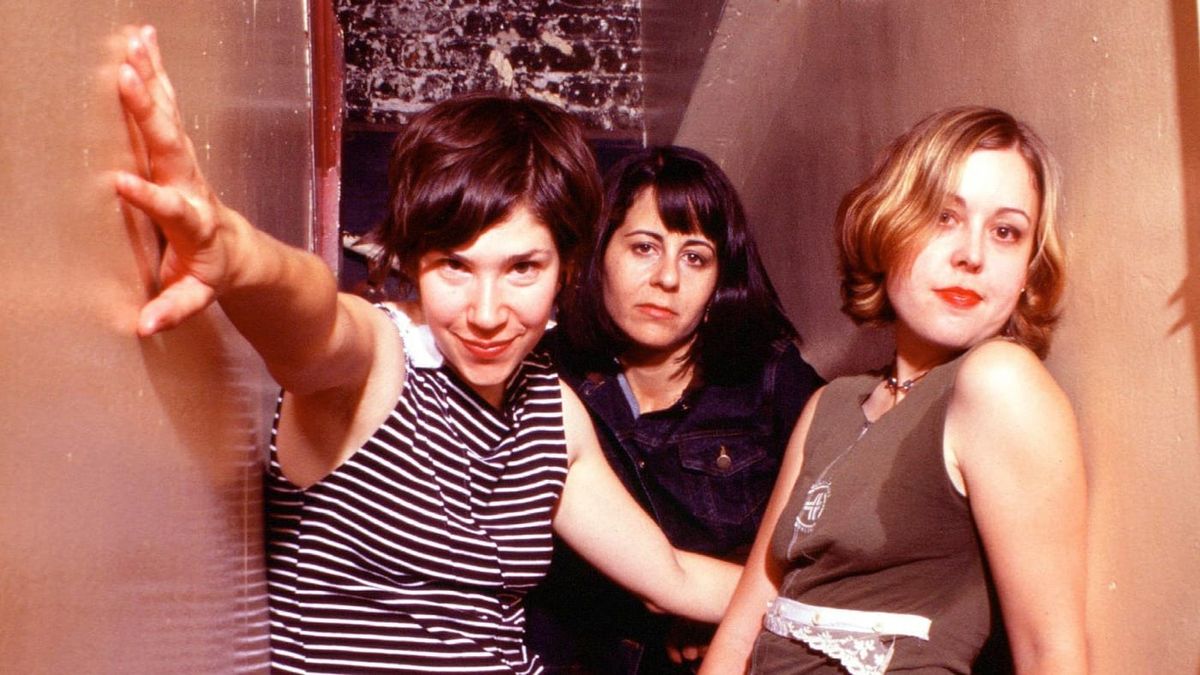
2. Sleater-Kinney, Call The Doctor
"The galvanizing feminist spirit on Call The Doctor revitalized the romantic underground dream of the ‘90s. At least for the nerds who needed it."
 Anthony Cougar Miccio
3. Bob Mould, Bob Mould
I was an odd man out giving this five stars as a high school junior, and the album remains an odd duck, long unavailable online. Mould’s solo career began with the oft-celebrated Workbook in 1989, but halted in 1992 with the formation of a new power trio, Sugar. The guitarist was canny enough to know band names sell more t-shirts than full names, and the zeitgeist had turned toward the searing wallop he refined in the ‘80s with Husker Du. But after two albums, their bassist already sick of the road, Mould decided he didn’t need those t-shirt sales after all. Or even a rhythm section. For this self-titled third solo shot, Mould would play every instrument, programming drums that weren’t going to be swinging much anyway.
Bob Mould, Egøverride"
While only the razor-sharp snark of “Egøveride” would make my Best Mould Songs Ever list, Mould remains my favorite full-length after Sugar’s Copper Blue, above any individual Husker Du LP (or 2LP). Rather than transparently seeking attention or treading water, here he's doing his thing sans commercial consideration or collaborative concern. Whether mourning the latest romantic dissolution (“Anymore Time Between,” “Next Time That You Leave”) or rolling his eyes at how Husker Du’s example helped turned indie into a major label farm league (“I Hate Alternative Rock,” “Art Crisis”), the multi-tracked melodies and layered guitar hooks spill forth with fittingly straight-forward self-amusement. The language turns darker as it goes, complete with a stalker fantasy and a finale named “Roll Over And Die,” but the mood stays wry. Mould wouldn't turn 40 until Y2K, but Mould is already putting a cap on both his 30s and the '90s. He can tell a big change is coming in terms of career, culture and his home life, the kind of that comes after teenage dreams have either been achieved or grown irrelevant. Too cynical to preen, and too smart to collapse, he settles for smirking alone among his stompboxes. I get it.
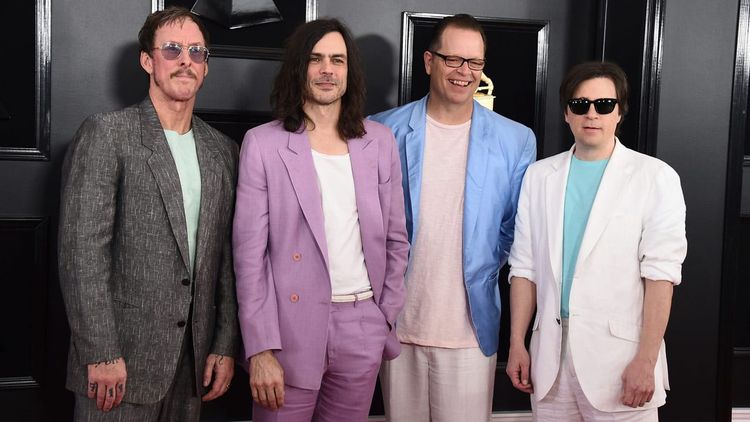
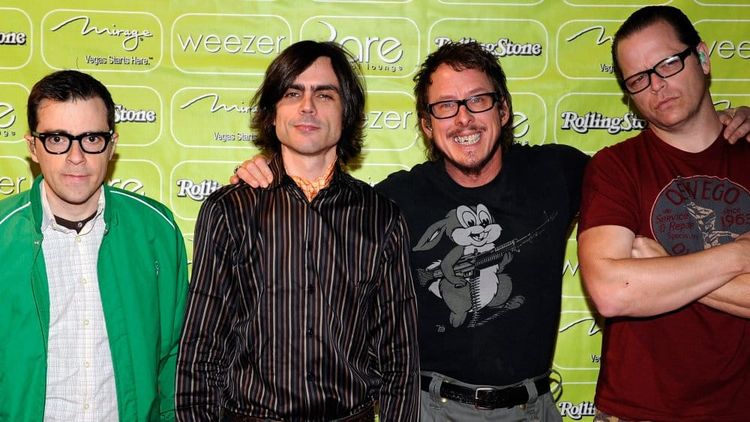
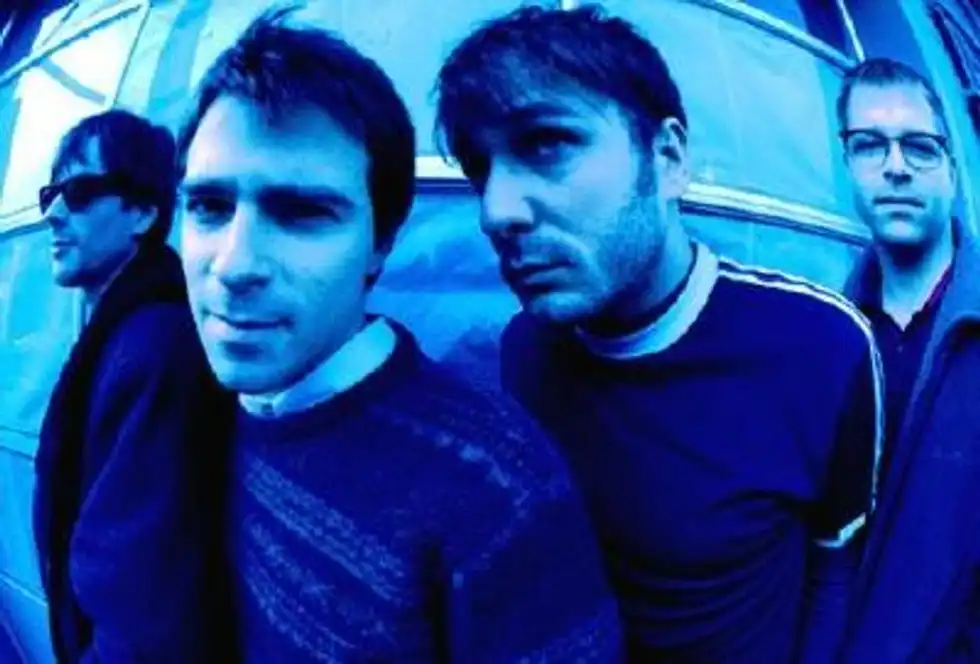
4. Weezer, Pinkerton
"Throughout, the band is swinging harder and whooping louder than ever, Rivers’ lyrics - crazy straightforward even when not contrasted with the time’s Vedderesque norm - offset by his subtly ambitious arrangements, bandmates throwing in extra hoots and hollers as good dorks should."
 Anthony Cougar Miccio
5. Alice In Chains, MTV Unplugged
1996 me would be utterly flabbergasted by this inclusion, let alone the high placement. At the time, Alice In Chains represented the worst of alternative rock: miserable, joyless metal, raw and uncut. With the exception of the atypically gentle, melodic “No Excuses,” they were the band proudest of taking an angry, anguished, four minute shit on the radio, the rare hooks naggingly regrettable rather than redemptive. It took the arrival of Godsmack - all assuming the name was lifted from an Alice song title, though the singer swore it was an unrelated STD joke - to reveal a depth below them.
Alice In Chains, "Over Now"
I can’t remember exactly when things turned around, but you can credit a better awareness of metal’s musical virtues, a more sympathetic stance on depression, and their context evolving from forced unfun to an active choice. Today, I recognize a sensibility in them that harkens back to Black Sabbath in the best way. Alice In Chains played lean, post-adolescent heavy blues, calling out a contemporary drudgery that self-medication only made harder to escape.
I remain pop-rocker enough that a little goes a long way. All I need is the ten-song greatest hits CD and this MTV Unplugged performance, where “No Excuses” transforms from their saving grace into a redundancy, the band’s unapologetic ache now a seductively sinister wallow, rather than an a crushing nightmare. When I'm feeling grimly ‘90s - sadsack and snarling - “raw & uncut” has become worth seeking out.
Ghostface Killah, "Motherless Child"
6. Ghostface Killah, Ironman
When describing Wu-Tang Phase One last year, I referred to Ironman as “a lock for Best Original Screenplay, too weird for Best Picture.” This is part of why I've balked on making Ghostface Killah the subject of my first rap-related Album Guide; there's too much I want to write about before 2027 to drown in a decade’s worth of his dense narratives. But at his best, Ghostface makes most “weird” rappers look inane, and makes most gangsta rappers seem banal and trope-beholden. His sense of wordplay is imagistic and action-packed, recalling the stream-of-conscious tone of reckless, comic memoirs more than his microphone peers. A taste: “but anyway, back to furry Kangols, Jamaican Wallabees/ my back is on the wall, bombing devils with trick-nology/ my heart is cold like Russia, got jerked at the Source Awards/ next year, two hundred n—-as coming with words.” And the music? What more than Wu-Tang Phase One do you need to know?
7. Afghan Whigs, Black Love
"Black Love is as bombastic as alternative rock got, Dulli spitting fragments of pulp fiction over gobs of guitar, extra percussion, cellos, a variety of ‘70s keyboards, the works."
 Anthony Cougar Miccio
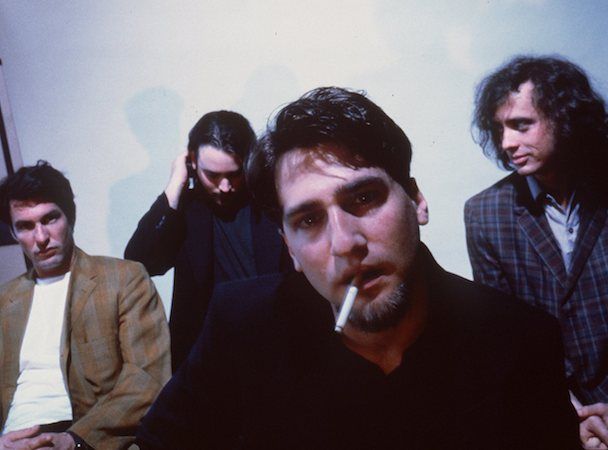
8. Los Lobos, Colossal Head
David Hidalgo and Louis Perez (who could have been the East LA Ween if they kept making weird tapes together instead of joining the traditional wedding band turned roots-rock combo Los Lobos) let their freak flag fly with producers Mitchell Froom and Tchad Blake on a pair of albums as the Latin Playboys in 1994 and 1999. With the pre-Playboys Los Lobos album Kiko the relatively grounded warm-up, and the post-Playboys This Time a slighter if solid reprise, Colossal Head sits dead center in this decade-long collaboration with Froom and Blake, where eccentric, murky production choices weren’t meant to exoticize traditional influences and Spanish-language lyrics, but provide a sense of time and place outside of contemporary rock. If that felt exotic, that's on you.
Los Lobos, "Revolution"
A fascinating quality of Los Lobos, if you bother to notice, is where the artsier Hidalgo and Perez find common ground with rock if not rockabilly traditionalist Cesar Rosas. That answer is usually the underappreciated influence of Jimi Hendrix, with Rosas' “Little Japan” (a rare co-write with Perez) a sumptuous peak of near-psychedelic seduction for the band, and “Manny’s Bones” as trippy as the best Morphine thanks to saxophonist Steve Berlin. Beyond the blistering guitar showcase "Mas Y Mas," the Hidalgo songs recall the Latin Playboys, which is no crime. But Colossal Head is the sound of a veteran band delighting in sonic possibilities, without losing the script.
Girls Against Boys, "Superfire"
9. Girls Against Boys, House Of GVSB
In hindsight, the bidding war over these earnest DC punkers turned stylish NYC demimonde lurkers was more than a little misguided. Sure, they had an infectious, pounding sound that built off such crunch machines as Killing Joke and Big Black, erotically charged by a twin-bass attack and a sotto voce, sarcastic vocalist who had his nicotine-stained glamor and mocked it too. As Semisonic drummer Jason Slichter noted in his 2004 memoir, A&R reps also appreciated that all four members of Girls Against Boys were hot. You could pose that hunkfest any which way in magazines, no schlub needing to slink back! But their delicate balance between industrial strength and indie cool meant they’d have to go big or go home. They wouldn’t slot in easily as a lesser Soundgarden or a lesser Nine Inch Nails. They’d have to be definitive, cuz they’d never be fourth on the bill at Ozzfest.
If it was ever going to happen, it would have been with House Of GVSB. 1996 was the year of “Pepper,” the year of Primitive Radio Gods, the year where four studmuffins purring “nothing satisfies” or “disco six six six” or “it takes one two three to tango” over danceable beats and mammoth guitar noise could have become the soundtrack of those dimly lit, multi-tiered dance clubs seen in movies about hackers. However, being nice guys first and a potential cash cow second, they wanted to give House Of GVSB to their old home of Touch & Go, the label already screwed over in the alternaboom by Butthole Surfers and Urge Overkill. So the Geffen debut didn’t come til 1998 and…yeah, they weren’t going to open for Korn. But House Of GVSB remains one addictive What If… fantasy.
10. Imperial Teen, Seasick
Now a treasured indie-pop staple, their seventh album arriving last October, it’s easy to forget how wonderfully unexpected Imperial Teen was thirty years ago. Can you call it a “supergroup” when Faith No More’s keyboardist becomes a singer/guitarist, backed by the rhythm section of an all-female Reno hardcore band (yes, the drummer was also in Sister Double Happiness), sharing the mic with a guy from…we’re still not sure? And the music is queer-coded commercial grunge? The first single climaxing “you kissed me like a man, boy”? Sure, Roddy Bottum (only the “Roddy” arguably a stage name) was known to be friends with Kurt Cobain & Courtney Love, but exciting SPIN writers and SPIN readers are two different things.
Thankfully, anybody down for gay guitar-pedal rock would be on board within two songs (the intro is a little quiet). Seasick, produced by Redd Kross’ Steve McDonald, is a total sugar rush for people whose ears prick up at the words “Redd Kross.” Will Schwartz’ whine pushes against Bottum’s gentle pleas, Jone Stebbins and Lynne Perko’s harmonies providing a subtext of mutual support and encouragement, anti-macho while pulsing and powerful. Allusive references to Cobain make the album their most bittersweet. Thanks to Imperial Teen's effervescent musical alchemy, that zeitgeist wound up their least essential quality.
And now, the Xgau-esque honorable mentions!
Spoon, Telephono
Fans of their 21st century post-punk Billy Joel tend to dismiss this first album for being overtly Pixies-influenced, which is an absurd quality to hate on (“The Government Darling,” “Nefarious”)
 Anthony Cougar Miccio
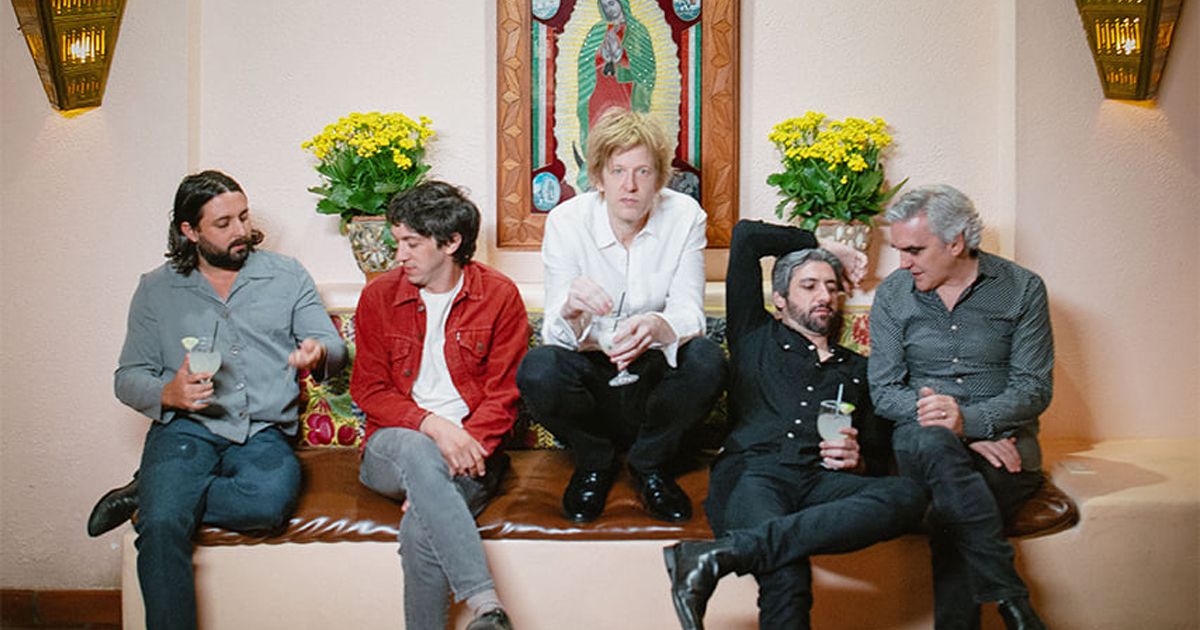
Dr Octagon, Doctor Octagonecologyst
Dan The Automator directs dadaist (or just easily distracted) jokester MC Kool Keith in an unforgettable Dr Giggles porn parody, featuring DJ Qbert on record scratch relief (“Blue Flowers,” “I’m Destructive”)
Guided By Voices, Under The Bushes Under The Stars
The “classic” line-up of pro-am Dayton, Ohio lo-fi art-rockers swings hard and says goodbye with a grab-bag of cryptic, muddy mini-epics, recorded by well-meaning indie icons who thought they could tame a drunken former schoolteacher who refuses to distinguish between 70s Genesis, 70s Wire and 70s Cheap Trick (“Cut-Out Witch,” “Big Boring Wedding”)
OutKast, ATLiens
Their early hip-hop was so casually rich and musical, I increasingly sympathize with those who regret Big Boi's music getting less casual, Andre 3000's less hip-hop (“Elevators (Me & You),” “ATLiens”)
A Tribe Called Quest, Beats Rhymes & Life
Defensive nostalgia creeps up if you listen closely to the lyrics, so listen closely to the gorgeous, J Dilla-assisted & fusion-flecked beats instead (“1nce Again,” “Mind Power”)
Cracker, "I Hate My Generation"
Cracker, The Golden Age
Gold record acquired, David Lowery scales back the pandering novelties, delivering cosmic-country-alt-rock worthy of the smarts shown on Side 1 of Camper Van Beethoven’s Key Lime Pie. Not that anyone cared (“I’m A Little Rocket Ship,” “Big Dipper”)
The Raincoats, Looking In The Shadows
Kurt Cobain loved their ’79 ramshackle debut enough that the long-retired art-punkers reunited, giving Nirvana's label an album of smart, batty indie-pop songs about women hitting middle age. Good! (“Pretty,” “Babydog”)
Chavez, Ride The Fader
Then, a NYC noise-rock supergroup’s thrilling rollercoaster of a climax. Now, an inexplicably triumphant collaboration between Rick Rubin’s favorite session guitarist and two mainstream comedy directors…plus the drummer from Live Skull (“Flight ‘96,” “The Guard Attacks”)
Scrawl, Travel On, Rider
Elektra presumably paying for an extra week or two with Steve Albini, this is the most artful album by early indie’s queens of the depressed midwest. Which isn’t the same as being their best (“Story Musgrave,” “Hunting Me Down”)
East River Pipe, Mel
Home-recorded adult alternative so sweetly hopeless that EMI wanted to reissue it and make him their Eels (“Spotlight,” “Kill The Action”)
Hold up! Here's my favorite compilation of 1996!
Archers Of Loaf, "What Did You Expect?"
Archers Of Loaf, The Speed Of Cattle
Heads either won’t admit, or don’t mind, that Eric Bachmann was revealing himself as an aspiring balladeer by the Archers’ second album. These early shreds of silly, caustic art-punk slipped onto 7”-inches (as was the style at the time) are a bigger thrill than what followed, and deserve to be enjoyed as more than Deluxe Edition fodder (“What Did You Expect?,” “Telepathic Traffic”)
Now, back to the honorable mentions!
Jon Spencer Blues Explosion, "Wail"
Jon Spencer Blues Explosion, Now I Got Worry
Spooky sounds and strong songs dignifying - or at least distracting from - how silly their shtick was, as if Bone Machine meant Tom Waits’ dick (“Wail,” “Rocketship”)
Beck, Odelay
The loss of mystique has revealed fuzzy filler, but the hits still provide the oddball awesomesauce of a Blonde On Blonde’s Boutique (“Lord Only Knows,” “Where It’s At”)
Superdrag, Regretfully Yours
An even better gift for alt-guitar pop-rock fans than DGC Rarities, Vol. 2 would have been (“Destination Ursa Major,” “Phaser”)
Screaming Trees, "Sworn And Broken"
Screaming Trees, Dust
The psychedelic punk rockers of a decade earlier, now matured into downright classy dad-rockers before alt-kids were ready (“Sworn And Broken,” “Make My Mind”)
 Anthony Cougar Miccio
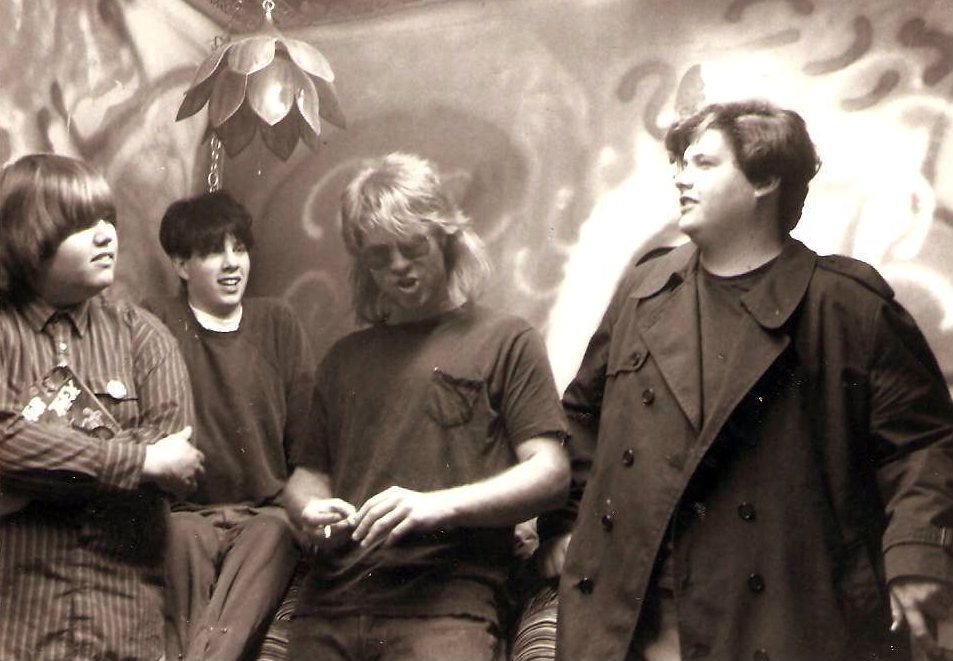
London Suede, Coming Up
Brash and better dressed than young Bowie, refusing to surrender Britpop to football fans (“The Beautiful Ones,” “Lazy”)
 Anthony Cougar Miccio
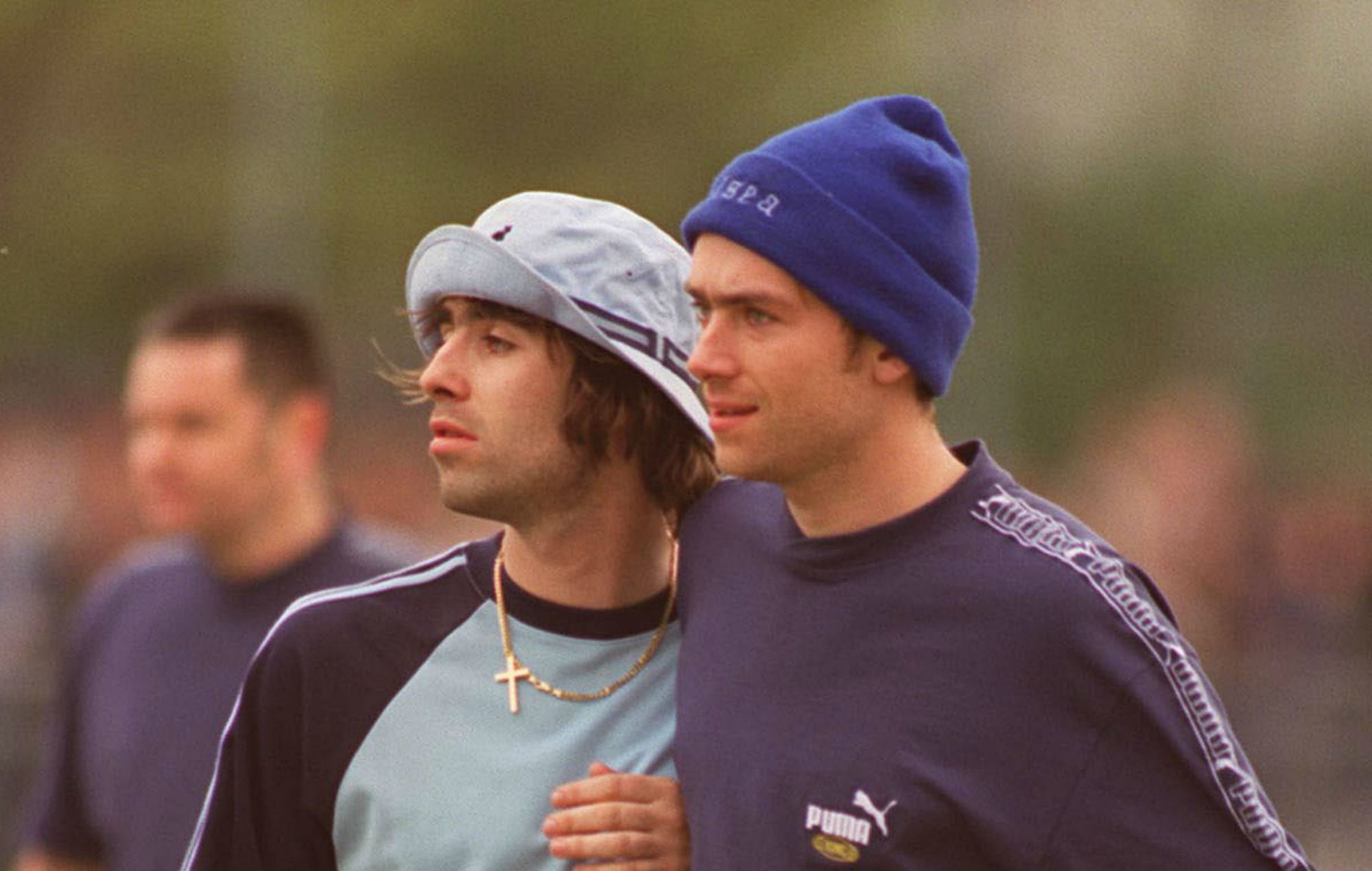
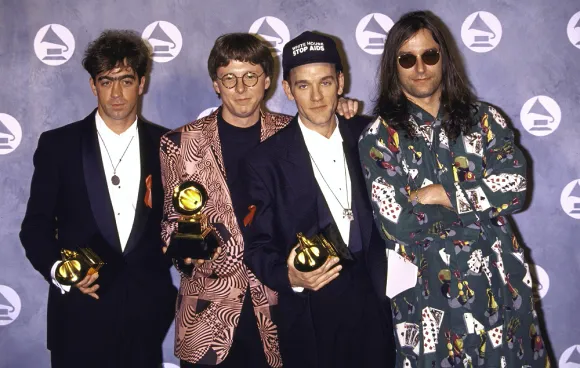
REM, New Adventures In Hi-Fi
"R.E.M.’s In Through The Out Door…not intended as a finale, but benefiting from the poignancy." (“The Wake-Up Bomb,” “Electrolite”)
 Anthony Cougar Miccio
Aaliyah, One In A Million
Missy & Tim, eager & ambitious, make themselves felt throughout. But the Marvin Gaye spin they had nothing to do with proves Aaliyah had a winsome vocal authority all her own (“4 Page Letter,” “Got To Give It Up (ft. Slick Rick)”)
Aaliyah, "4 Page Letter"
Tori Amos, Boys For Pele
The proudly purple pianist’s freaky peak: sick of boys, self-producing, and probably listening to PJ Harvey (“Caught A Lite Sneeze,” “Hey Jupiter”)
Everything But The Girl, Walking Wounded
Veteran sophisti-pop duo gracefully follows their fluke hit remix technoward, the lyric credits revealing two distinct takes on romantic estrangement (“Wrong,” “Mirrorball”)
Jay-Z, Reasonable Doubt
Expertly editing his Pacino fantasies like Schoonmaker, if not Sondheim, determined to make this long-brewing debut his one and only indie (“Dead Presidents,” “Ain’t No N…”)
Wait...two more compilations!
Nirvana, "Aneurysm" (not the Wishkah version, but close enough)
Nirvana, From The Muddy Banks Of The Wishkah
Later live releases may well render it redundant, but Muddy’s choice of sardonic and shrieked renditions of hits, Bleach highlights and stand-alone singles, satisfies enough that I haven’t found out (“Aneurysm,” “Sliver”)
XTC, Fossil Fuel: The XTC Singles 1977-1992
Still unable to click with Skylarking (I’ll try again someday!), Drums & Wires remains my goldilocks choice between their frantic new wave origins and the wistful British balladry that followed. Which leaves more than enough delicious singles before and after to merit owning a double CD’s worth (“Respectable Street,” “The Ballad Of Peter Pumpkinhead”)
Finally, another five honorable mentions!
Blackstreet, "No Diggity"
Blackstreet, Another Level
An old school - hence underrated - aspect of the Virginia Beach R&B renaissance, new jack veteran Teddy Riley clearly teaching and learning from his mentees (“No Diggity,” “Happy (Tonite)”)
Modest Mouse, This Is A Long Drive For Someone With Nothing To Think About
A strong start for someone who’d take math-rock chanteys to platinum (“Breakthrough,” “Tundra/Desert”)
Low, The Curtain Hits The Cast
The Gothy 500 slowcore is getting old, but the swooning peaks leave it behind (“Coattails,” “Do You Know How To Waltz”)
Lush, Lovelife
Lesser shoegazers benefit from losing their shyness (“Ladykillers,” “The Childcatcher”)
Soul Coughing, Irresistible Bliss
The Knitting Factory’s favorite rap-rockers knew ’96 was their year, delivering an A side that’s almost all A’s, and a B side that’s almost all B’s (“Soft Serve,” “Lazybones”)
I still gotta double-check if that new Music For Kids collection or the old Kids Soundtrack is better...
The plan is to post an addendum whenever I've decided another five albums from a year cut the mustard, so feel free to remind me of something ninety-sexy at anthonyisright at gmail dot com. No rush, though. This is plenty!